Ryukyu Disposition
Also called: Annexation of Ryukyu, Ryūkyū shobun
Japan abolished the Ryukyu Kingdom, which had owed allegiance to both Qing China and Satsuma, and made it Okinawa Prefecture — a sign that the China-centred tributary order was beginning to crumble.
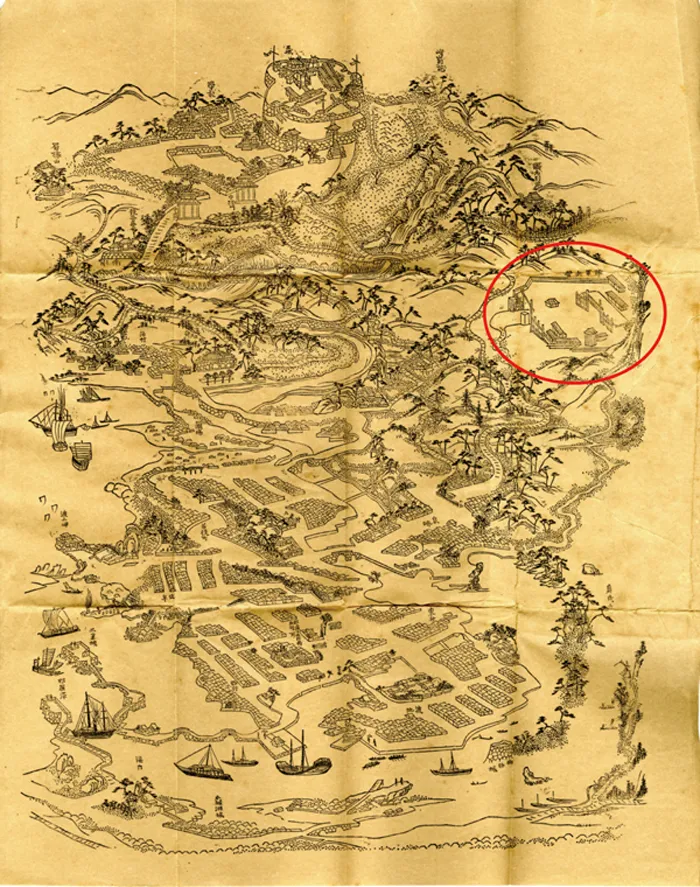
渡辺重綱 著『琉球漫録』(1879年) · Public domain · Source
Since Satsuma’s invasion in 1609 the Ryukyu Kingdom had paid tribute to China (Ming, then Qing) while being controlled by Satsuma. The Meiji government made Ryukyu a domain in 1872 and, after the Taiwan expedition, forbade its tribute missions to China. In March 1879 Matsuda Michiyuki arrived with troops and police and took over Shuri Castle; on 4 April Okinawa Prefecture was established and King Shō Tai was removed to Tokyo. China protested but could not stop it. Alarmed, the Qing sought to have Korea open relations with the West to check Japan and Russia — the setting for Huang Zunxian’s Strategy for Korea.