Dutch Learning and the New Text on Anatomy
Also called: Rangaku, Kaitai shinsho, Dutch learning
Dutch learning (rangaku) — Western knowledge acquired through the Dutch post at Dejima — took root in Japan, and in 1774 Sugita Genpaku and others published the New Text on Anatomy (Kaitai shinsho), translated from a Dutch anatomy book.
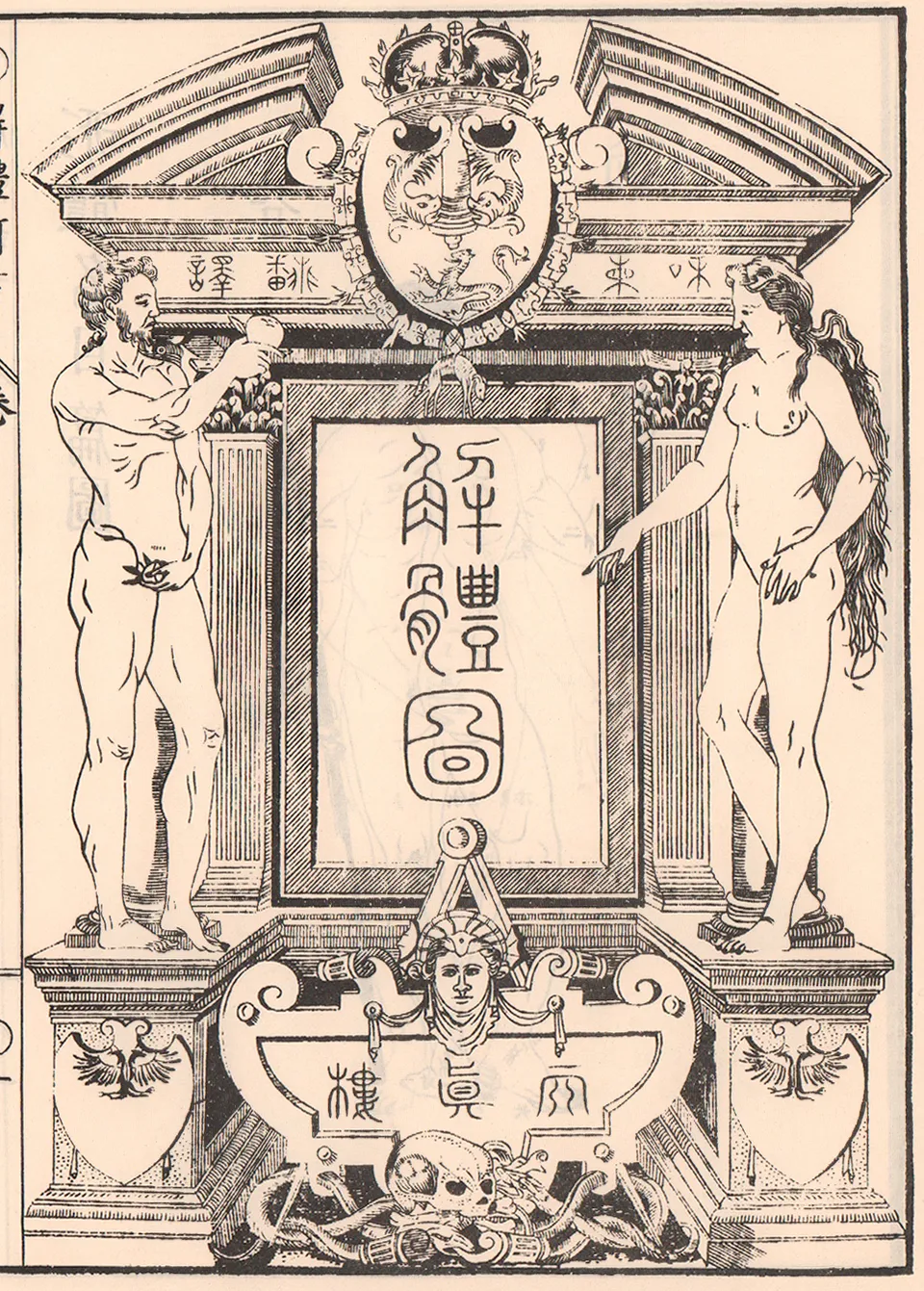
小田野直武 (寛延2年-安永9年) · Public domain · Source
Even under the closed-country policy, Western knowledge came in through the Dutch trading post at Dejima in Nagasaki. When the eighth shogun Tokugawa Yoshimune lifted the ban on Chinese translations of Western books unrelated to Christianity in 1720 and encouraged the study of Dutch, “Dutch learning” (rangaku), the study of Western science through the Dutch language, took hold.
In 1771 the Edo physicians Sugita Genpaku, Maeno Ryōtaku and others watched the dissection of an executed criminal and were struck by the accuracy of the illustrations in a Dutch anatomy book, the Ontleedkundige Tafelen. Working without a dictionary for over three years, they published their translation in 1774 as the Kaitai shinsho. Dutch learning spread into medicine, astronomy and geography and prepared the ground for Japan’s rapid adoption of Western knowledge in the nineteenth century.