New Culture Movement
Also called: New Culture Movement, Literary Revolution
Gathered around Chen Duxiu’s New Youth, intellectuals raised the banner of “democracy and science”, attacked Confucian ethics and launched a literature in the vernacular language people actually spoke.
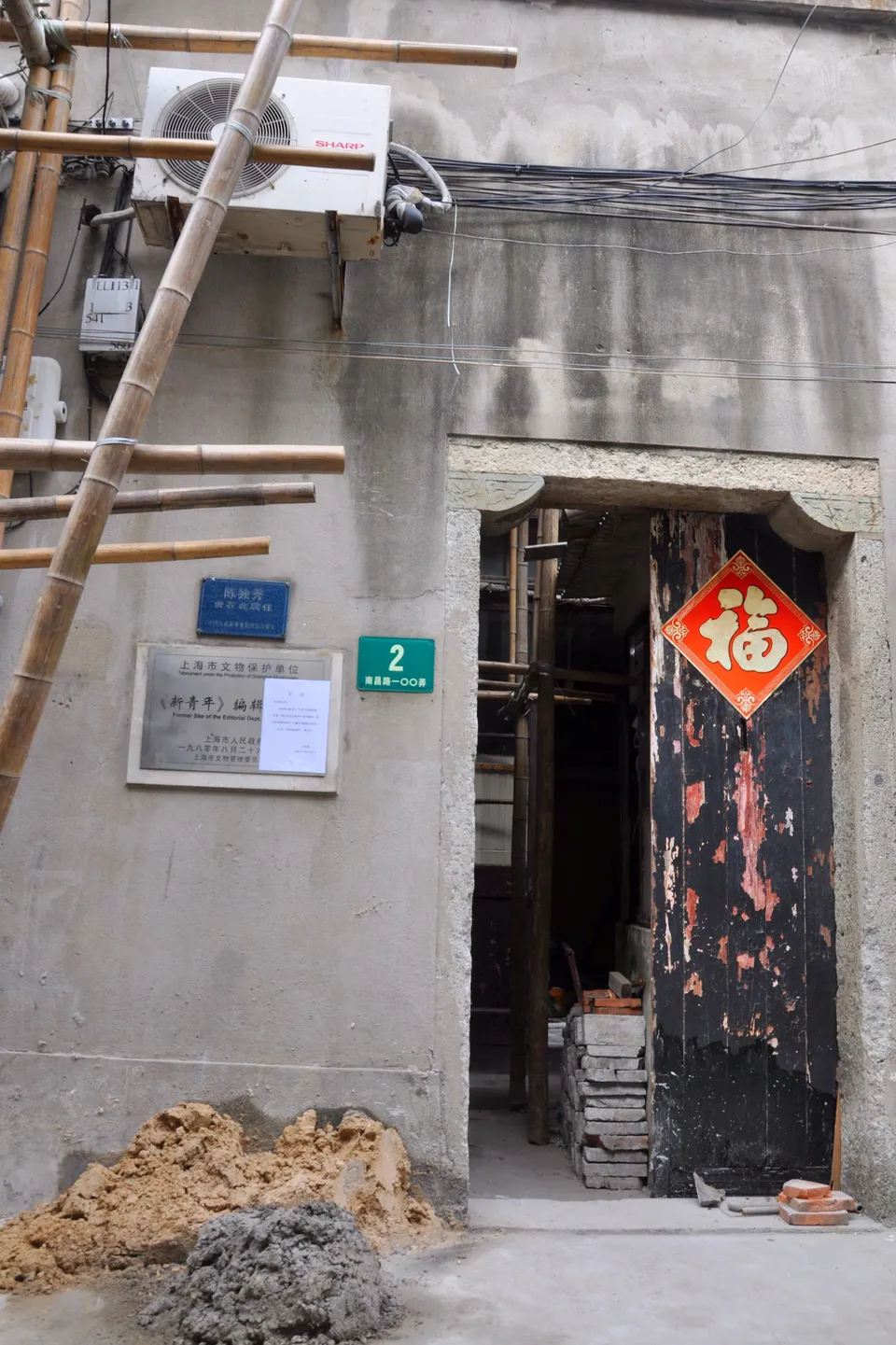
Fayhoo · CC BY-SA 3.0 · Source
With warlord politics and Yuan Shikai’s monarchical bid continuing after the 1911 Revolution, intellectuals concluded that China needed to change not only its political institutions but its people’s thought and culture. In September 1915 Chen Duxiu founded Youth Magazine in Shanghai (renamed New Youth the next year), championing “Mr Democracy and Mr Science” and condemning Confucian ethics such as the Three Bonds, and the traditional family, as outdated.
Peking University, where Cai Yuanpei became president in 1917, became the movement’s centre as Chen Duxiu, Hu Shi, Li Dazhao and others gathered there. Hu Shi proposed writing in the spoken language instead of classical Chinese, and Lu Xun’s “A Madman’s Diary” of 1918, the first modern vernacular story, denounced a ritual code that “eats people”; he later wrote The True Story of Ah Q.
After the Russian Revolution Li Dazhao and Chen Duxiu introduced Marxism, and the New Culture Movement flowed into the May Fourth Movement and the founding of the Chinese Communist Party. The vernacular’s establishment as the language of schools and newspapers was another of its lasting results.