Nanchang Uprising
Also called: August 1st Uprising, Army Day
On 1 August 1927, after the Shanghai coup and the collapse of the United Front, some 20,000 Communist-led troops of the National Revolutionary Army rose in Nanchang, Jiangxi. They gave up the city within days and were scattered in the south, but the uprising is commemorated as the birth of the Communists’ own army.
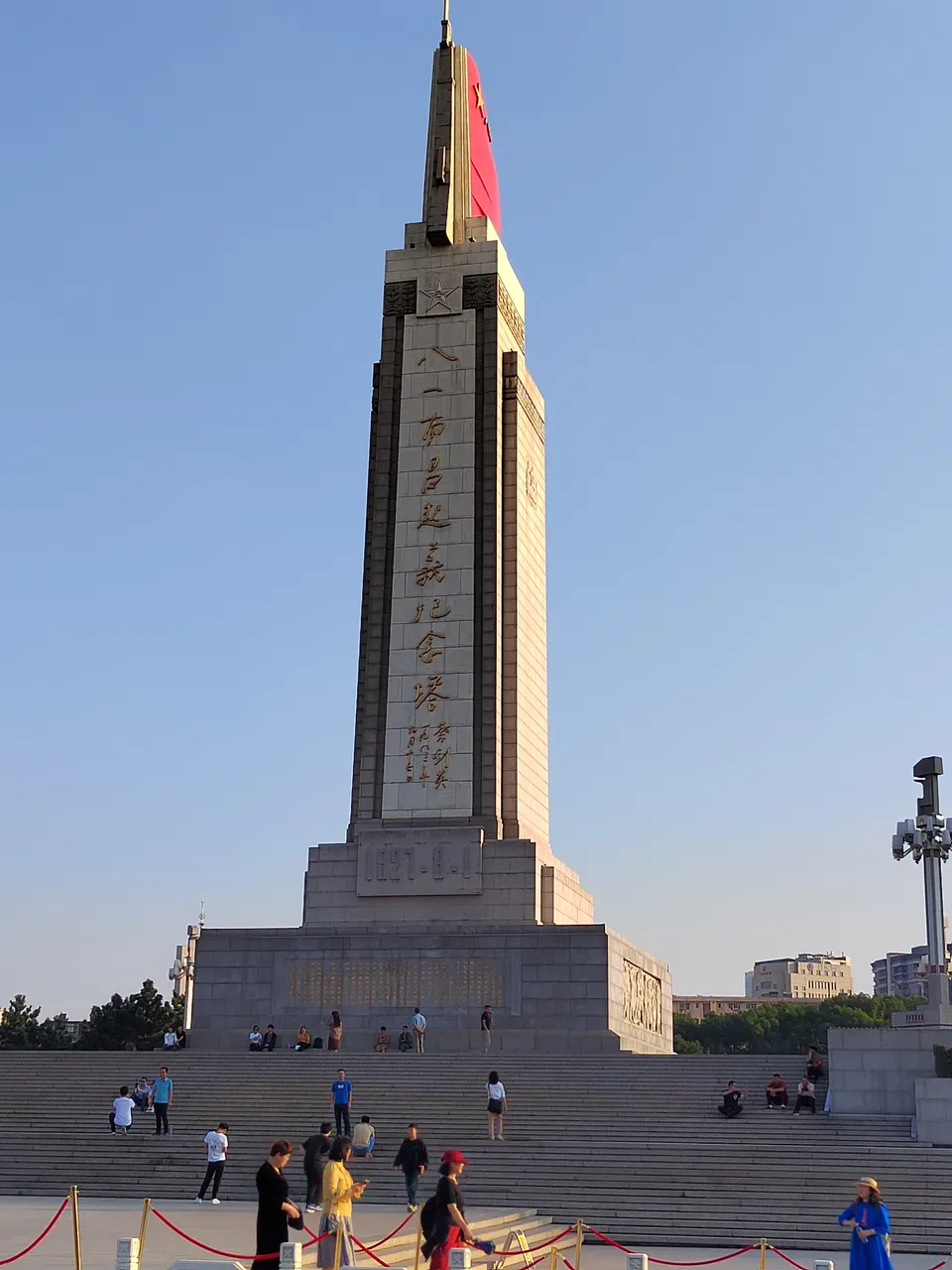
After Chiang Kai-shek’s Shanghai coup in April 1927 and the break with the left-wing Nationalists in Wuhan in July, the Communists resolved to take up arms. Under a front committee headed by Zhou Enlai, units commanded by He Long, Ye Ting, Zhu De, Liu Bocheng and others disarmed the Nationalist garrison of Nanchang before dawn on 1 August and took the city.
Facing Nationalist counter-attacks, the rebels left Nanchang in early August and marched into Guangdong, where they were badly defeated around Chaozhou and Shantou and dispersed. Part of the survivors, led by Zhu De, joined Mao Zedong’s force at Jinggangshan in 1928. Mao’s own Autumn Harvest Uprising in Hunan that September also failed, and the party turned from the cities to the countryside.
The People’s Republic marks 1 August as the founding day of the People’s Liberation Army, and the characters “八一” (“eight-one”) appear on its flag and insignia.