Founding of the Umayyad Caliphate
Also called: Umayyad dynasty
Muawiya, governor of Syria, became caliph with Damascus as his capital and founded the Umayyad dynasty. The caliphate became hereditary.
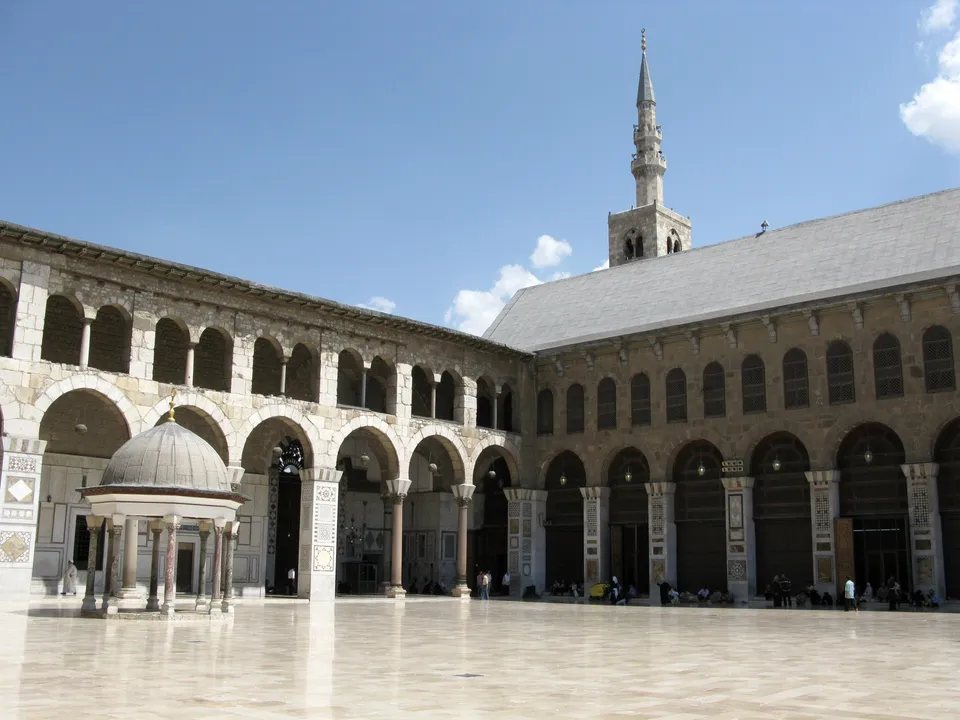
In 661, the year Ali was assassinated, Muawiya was recognised as caliph and made his base, Damascus, the capital. By naming his son Yazid as heir he turned the caliphate from an elected office into a hereditary one in the Umayyad family. Those who held that only Ali and his descendants could rightfully lead — the “party of Ali”, or Shia — resisted, and this conflict became the starting point of the split between Sunni and Shia.
The Umayyads pressed the conquests on, east into Central Asia and the Indus valley and west across North Africa into the Iberian Peninsula. They made Arabic the language of administration, struck an Arab gold coinage (the dinar), and built the Dome of the Rock in Jerusalem (691) and the Umayyad Mosque in Damascus.
But they favoured the Arabs: non-Arab converts (mawali) still had to pay the poll tax and suffered other discrimination. Their resentment, combined with Shia resistance, brought the dynasty down at the hands of the Abbasids in 750.