Founding of the Roman Republic
In 509 BC, by tradition, the central Italian city-state of Rome expelled its Etruscan king and set up a republic governed by two annually elected consuls and the Senate.
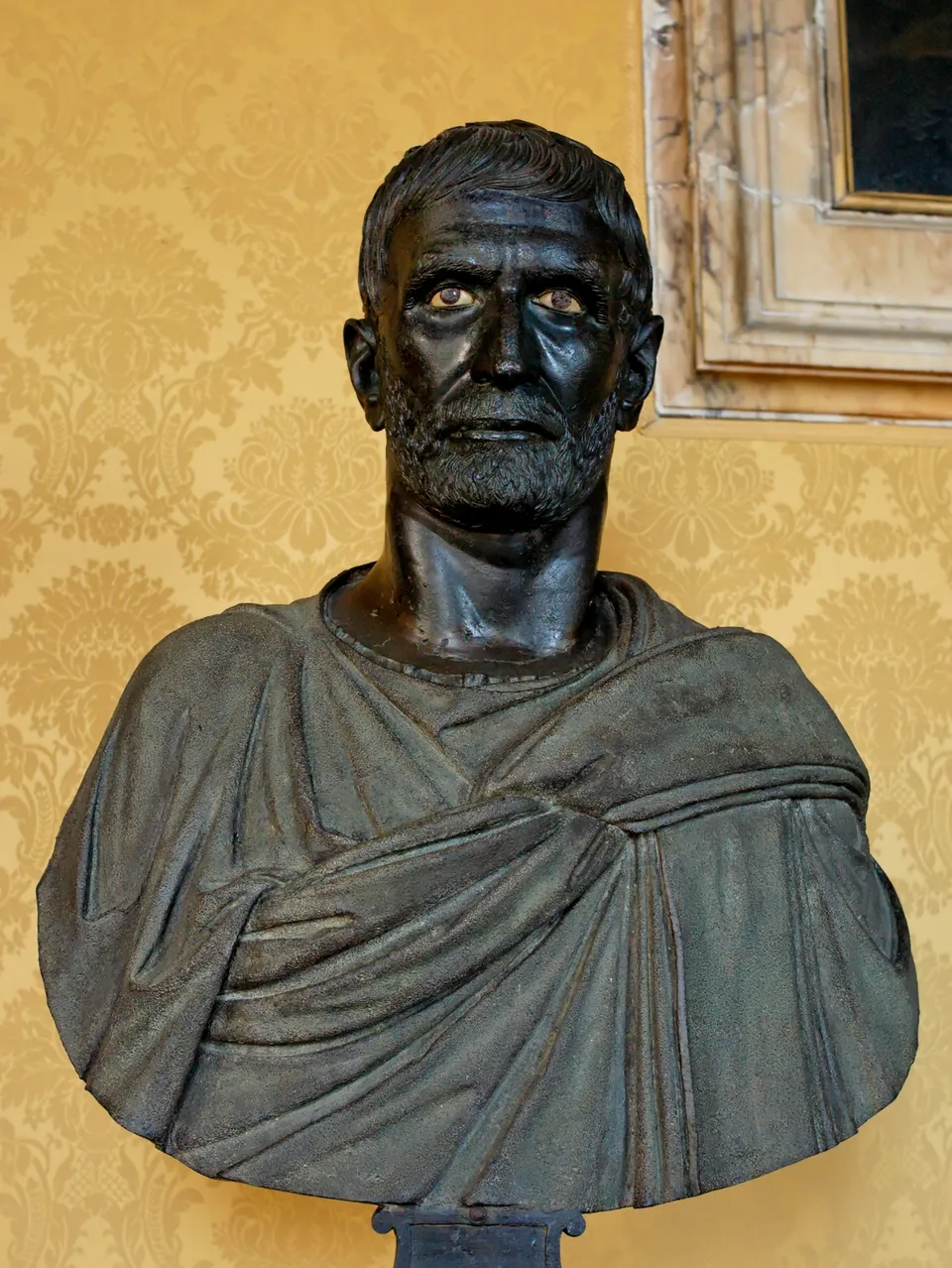
Jastrow · Public domain · Source
Rome was a city-state built by Latins on the hills beside the Tiber; tradition says Romulus founded it in 753 BC. For a time it was ruled by kings of Etruscan origin from the north, until in 509 BC, according to tradition, the nobles drove out the last king, Tarquinius Superbus, and established a republic.
Under the republic two consuls, elected for one year, ran the government and the army, while real power lay with the Senate of patricians. In emergencies a dictator was appointed for six months. There were popular assemblies, but at first the patricians monopolised office, which led to the Conflict of the Orders with the plebeians.
With the strength of its citizen hoplites, republican Rome had united the Italian peninsula by about 272 BC. It bound Italy together by granting conquered cities different degrees of rights — divide and rule — and then turned to the Mediterranean. At about the time Rome became a republic, Gojoseon was growing on the strength of its Bronze Age culture in Liaoning and the Korean peninsula.