Dred Scott Decision
Also called: Dred Scott v. Sandford
The Supreme Court ruled that Black Americans could not be citizens and that Congress could not ban slavery in the territories, further narrowing the room for compromise over slavery.
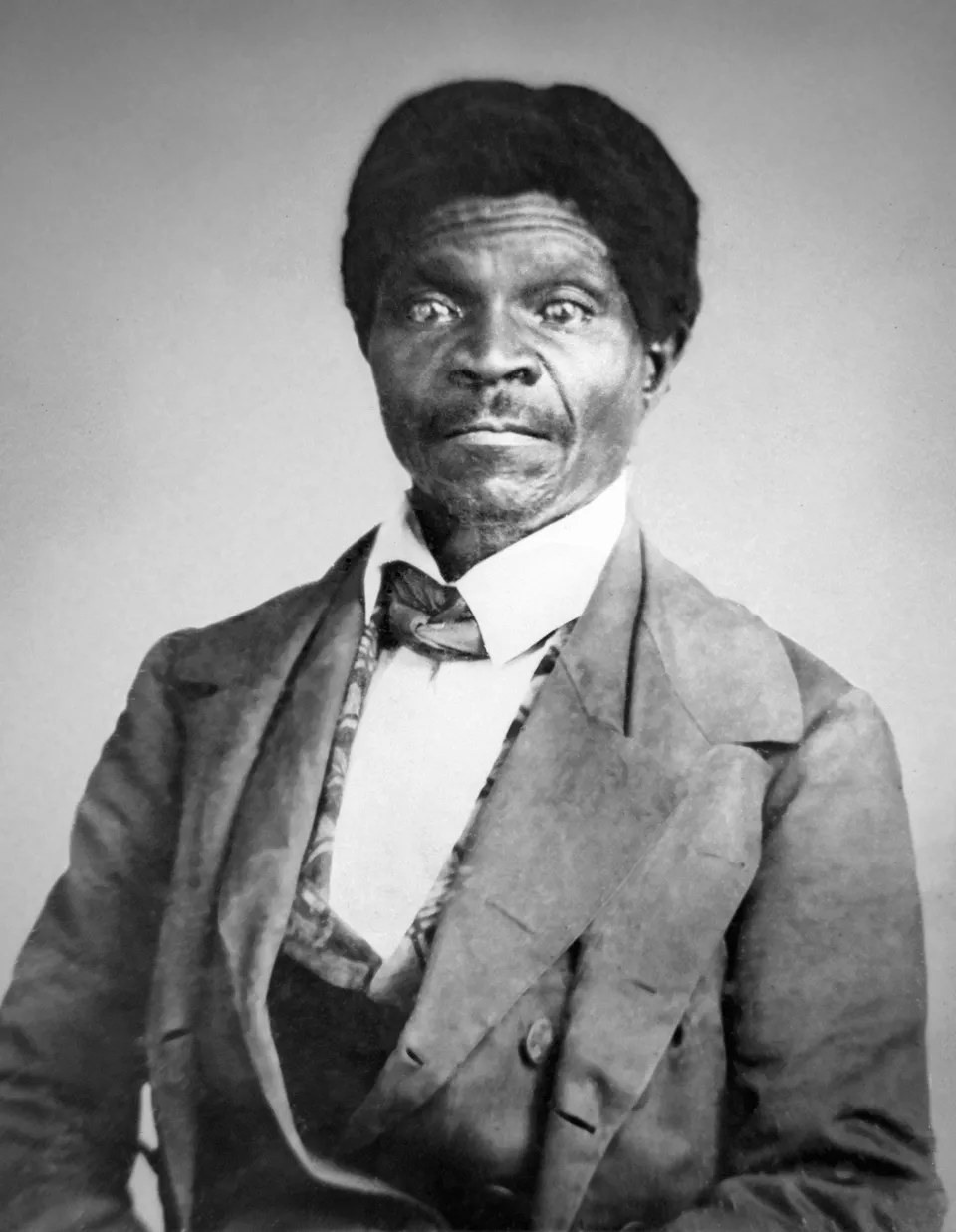
Uncredited · Public domain · Source
Dred Scott, an enslaved man, sued for his freedom on the grounds that he had lived for years with his owner in the free state of Illinois and in Wisconsin Territory, where slavery was banned. On 6 March 1857 the Supreme Court rejected his claim by seven votes to two.
Chief Justice Roger Taney wrote that Black people, slave or free, were not citizens and could not sue in federal court, and that since slaves were property Congress could not prohibit slavery in the territories. By declaring even the already repealed Missouri Compromise unconstitutional, the ruling flatly denied the Republican platform of halting slavery’s spread. Northern anger fed the party’s growth. Scott was freed by new owners two months later but died of illness the following year.