Philosophy1778

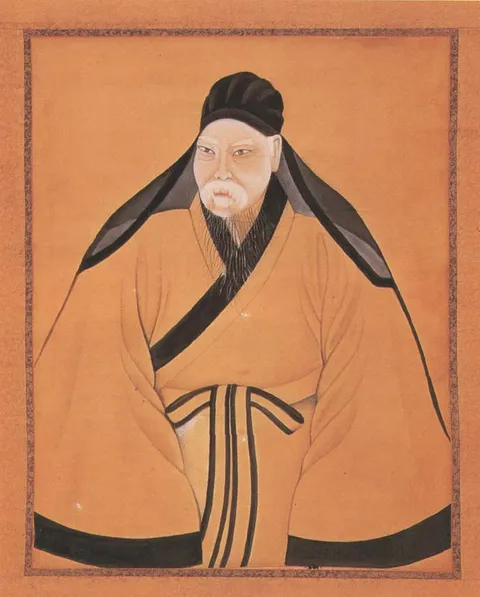
Park Je-ga’s Bukhagui

Back from Qing, Park Je-ga wrote Bukhagui urging Korea to learn from Qing, use carts and ships to build up commerce and industry, and stop preaching thrift alone, since consumption spurs production.

In the late eighteenth century, Noron scholars in Seoul formed the commercial school of Silhak (Northern Learning), urging adoption of advanced Qing practices, promotion of trade and industry, and new technology. Yu Su-won argued for commerce and the equal dignity of occupations; Hong Dae-yong proposed a rotating earth and an infinite universe in Uisan mundap; Park Ji-won urged the use of carts and ships and satirized yangban hypocrisy in Yeolha ilgi and Yangban-jeon.

Park Je-ga wrote that wealth “is like a well: draw from it and it fills, leave it and it dries up”, arguing that sensible consumption increases production.
The map in 1778

OpenFreeMap © OpenMapTiles © OpenStreetMap contributors

States and rulers at the time
Joseon — Jeongjo
Qing — Qianlong Emperor

People

  • Park Je-ga1750 – 1805

    author · Northern Learning scholar of secondary-son birth who served as a Gyujanggak editor; his Bukhagui urged learning from Qing and encouraging consumption to spur production

  • Park Ji-won (Yeonam)1737 – 1805

    related figure · Silhak scholar who wrote the Yeolha ilgi after travelling to Qing

  • Hong Dae-yong (Damheon)1731 – 1783

    related figure · Northern Learning scholar whose Uisan mundap argued that the earth rotates and the universe is infinite, challenging the China-centred worldview

Before and after

Themes that include this event

  • Ming, Qing and Edo Japan1500 – 1800

    The age when the Ming, shaken by northern raiders, southern pirates and the silver economy, fell to Li Zicheng’s rebels, and the Manchu Qing reached its greatest extent and prosperity under Kangxi, Yongzheng and Qianlong — as Japan was unified out of the Warring States into the Edo shogunate’s bakuhan order and closed country, and Joseon, after two great wars, met its neighbours through embassies to Edo and the Northern Learning

  • Scientific Revolution, Enlightenment and the English Revolutions1543 – 1796

    The Scientific Revolution from Copernicus to Newton, parliamentary government in England won through the Puritan and Glorious Revolutions, and the Enlightenment that sought to remake society by reason — the groundwork of the civic revolutions and the Industrial Revolution