Conflict660–663

Baekje Restoration Movement

Boksin, Dochim and Heukchi Sangji rose at Juryu and Imjon fortresses, crowned Prince Buyeo Pung, recalled from Wa, and fought the Silla–Tang allies.
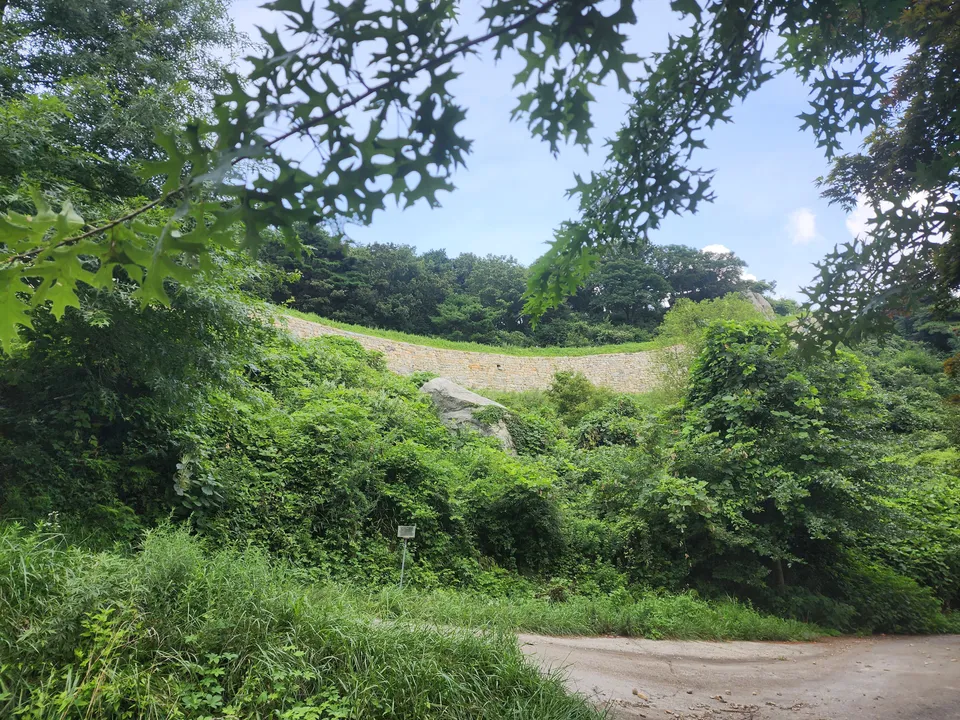
Imjonseong Fortress, Yesan — a stronghold of the Baekje restoration forces under Heukchi Sangji

올리브 가지 · CC BY-SA 4.0 · Source

The rebels retook some 200 fortresses and besieged the Tang garrison at Sabi, but their leaders fell out — Boksin killed Dochim and Pung killed Boksin — and after the Wa relief fleet was destroyed at the Baek River in 663, Juryu fell. Heukchi Sangji surrendered to Tang and Imjon fell.

The map in AD 660

OpenFreeMap © OpenMapTiles © OpenStreetMap contributors

States and rulers at the time
Baekje — King Uija
Silla · belligerent — King Muyeol
Tang · belligerent — Emperor Gaozong

People

  • BoksinAD 663

    leader · Baekje royal who led the restoration movement and brought Prince Buyeo Pung back from Wa

  • Heukchi SangjiAD 630 – AD 689

    commander · Baekje general who led restoration forces at Imjon Fortress before surrendering to Tang

  • Buyeo Pung

    leader · Son of King Uija, brought back from Wa as king by the Baekje restoration forces, who fled to Goguryeo after the defeat at Baekgang

  • DochimAD 661

    leader · Baekje monk who raised the Baekje restoration movement at Juryuseong with Boksin, who later killed him

1 part of this event

  1. A Wa fleet sent to aid the Baekje rebels was crushed by the Silla–Tang allies at the mouth of the Baek River; 400 ships burned.

Before and after

Later
AD 660 Fall of Baekje

Themes that include this event

  • Wars of Korean UnificationAD 598 – AD 676

    From Goguryeo's wars with Sui and Tang to Silla's unification — eighty years of East Asian war on the peninsula

  • Buyeo2000 BC – 1376

    From the Songguk-ri village to Sabi, Baekje’s last capital — the Geum River town where Baekje culture bloomed and fell