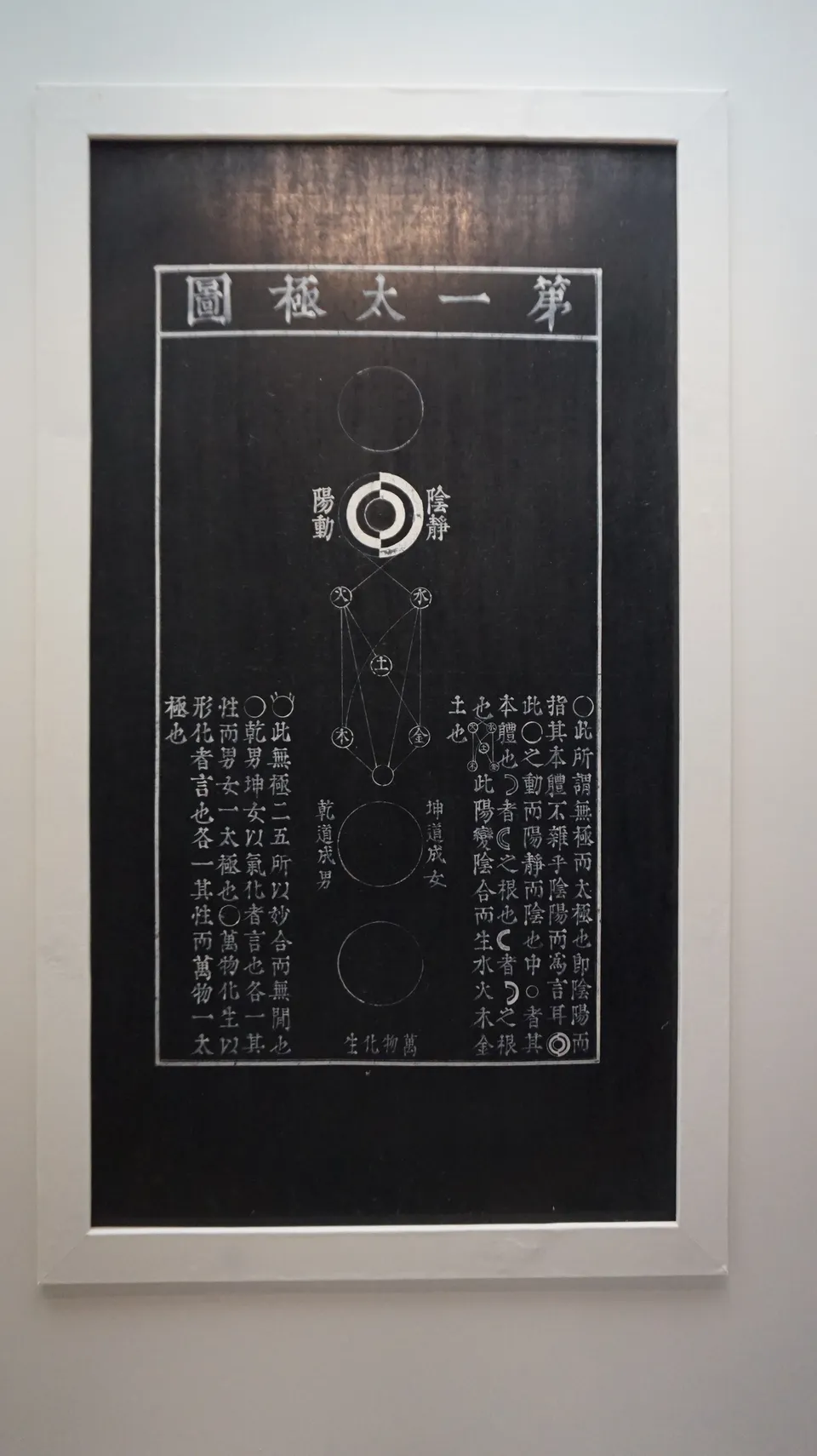
The first diagram (Taegeukdo) of the Seonghak sipdo, presented by Yi Hwang to King Seonjo in 1568, National Museum of Korea

Jocelyndurrey · CC BY-SA 4.0 · Source

Person1501 – 1570

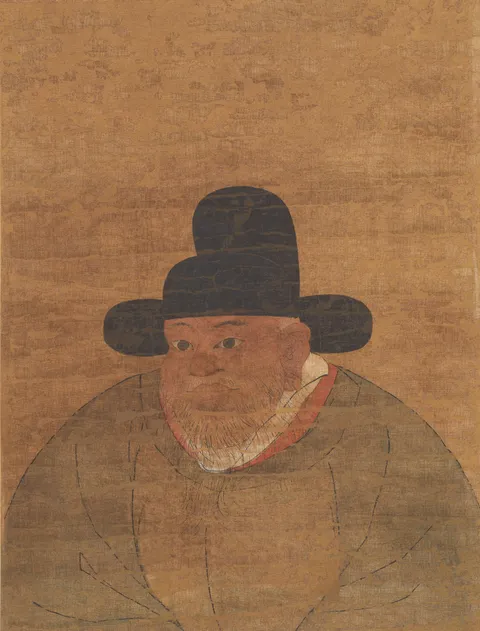
Yi Hwang (Toegye)

Leading Neo-Confucian scholar who secured a royal charter for Baegundong Academy

He stressed principle (li) and argued that principle and material force each give rise to feelings, debating the Four-Seven question with Gi Dae-seung. In 1568 he presented the young King Seonjo with the Seonghak sipdo, ten diagrams of Neo-Confucian learning, and he wrote the Jujaseo jeoryo. He taught at Dosan Seodang in his home of Yean, Andong, and his school became the Yeongnam school. He drew up the Yean village code, and his learning also influenced Japanese Neo-Confucianism.
Where they went

OpenFreeMap © OpenMapTiles © OpenStreetMap contributors

3 related events

  1. 1
    1543Baegundong Seowon foundedrelated figure

    Ju Se-bung founded the first seowon academy at Punggi; in 1550, at Yi Hwang’s request, it received a royal charter as Sosu Seowon.

  2. 2

    Yi Hwang presented the Seonghak sipdo (Ten Diagrams on Sage Learning), summarising Neo-Confucianism in ten diagrams, to King Seonjo, who had come to the throne at sixteen.

  3. 3

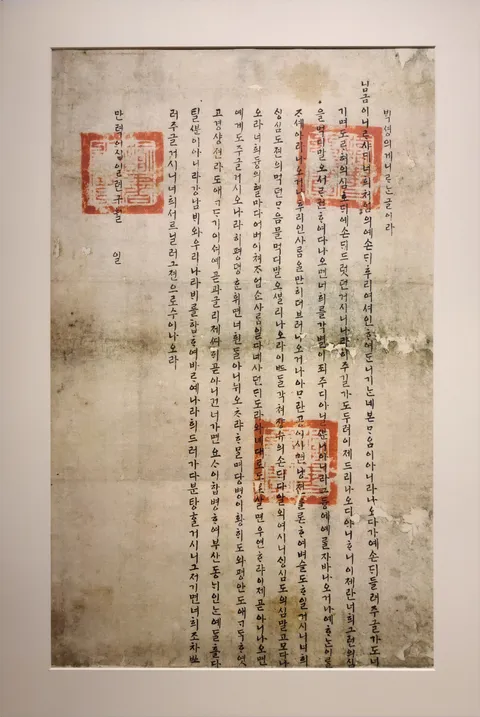
    After Yi Hwang’s death his disciples built an academy behind the Dosan school where he had taught; the next year King Seonjo granted it a signboard reading "Dosan" (royal charter).

People who appear alongside

  • Ju Se-bung1495 – 1554

    Magistrate of Punggi who founded Baegundong, the first seowon academy

  • King Seonjo1552 – 1608

    Fourteenth king of Joseon; fled to Uiju and asked Ming for help

Themes this person appears in

  • Educational Institutions Through the AgesAD 372 – 1943

    From the Taehak and Gukhak to the Gukjagam and Seonggyungwan, modern schools and the colonial education ordinances — state schools that trained officials and the private schools that filled the gaps

  • Intangible and World Heritage2000 BC – 1850

    From the dolmens to Namhansanseong on the World Heritage List, from Jongmyo ritual music to ssireum on the Intangible Heritage lists — where each came from and when it was inscribed

  • AndongAD 930 – 1940

    From the Battle of Gochang that helped found Goryeo to Yi Hwang’s Dosan Seowon — home of Goryeo wooden halls and Yeongnam Confucianism