Culture1543

Baegundong Seowon founded

Ju Se-bung founded the first seowon academy at Punggi; in 1550, at Yi Hwang’s request, it received a royal charter as Sosu Seowon.
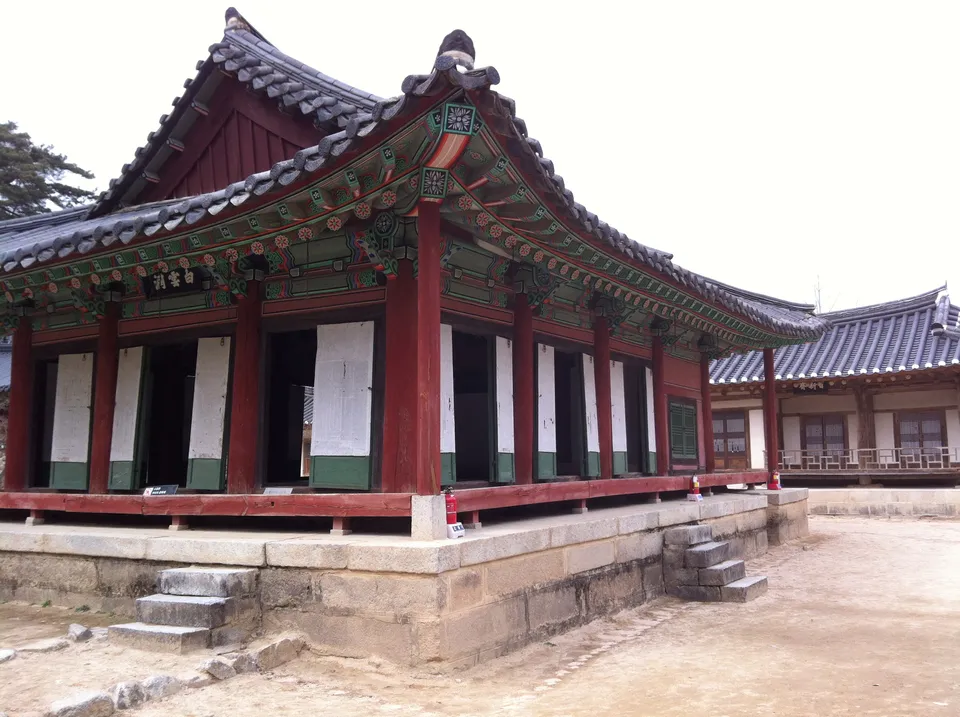
Sosu Seowon in Yeongju, formerly Baegundong Seowon

Jjw · CC BY-SA 3.0 · Source

Ju Se-bung, magistrate of Punggi, built a shrine at Sunheung, home of An Hyang, who first brought Neo-Confucianism to Goryeo, and opened Baegundong Academy to teach young scholars. Seowon combined rites for past sages with the education of yangban sons. In 1550, at the request of Yi Hwang, King Myeongjong granted it a name board reading "Sosu Seowon" and books, making it the first chartered academy. Seowon, together with village codes, became the local bases of the Sarim and multiplied. But they also became bases of faction and abused their tax exemptions, and in 1871 the Heungseon Daewongun closed all but 47.
The map in 1543

OpenFreeMap © OpenMapTiles © OpenStreetMap contributors

States and rulers at the time
Joseon — Jungjong
Places
Sosu Seowon

People

  • Ju Se-bung1495 – 1554

    leader · Magistrate of Punggi who founded Baegundong, the first seowon academy

  • Yi Hwang (Toegye)1501 – 1570

    related figure · Leading Neo-Confucian scholar who secured a royal charter for Baegundong Academy

Before and after

Later
1545 Eulsa Purge

Themes that include this event

  • Educational Institutions Through the AgesAD 372 – 1943

    From the Taehak and Gukhak to the Gukjagam and Seonggyungwan, modern schools and the colonial education ordinances — state schools that trained officials and the private schools that filled the gaps

  • Intangible and World Heritage2000 BC – 1850

    From the dolmens to Namhansanseong on the World Heritage List, from Jongmyo ritual music to ssireum on the Intangible Heritage lists — where each came from and when it was inscribed