Person1501 – 1572

Jo Sik (Nammyeong)

Also called: Nammyeong

Neo-Confucian scholar of western Gyeongsang who stressed reverence, righteousness and practice; his disciples formed the Northerners and led militias in the Imjin War

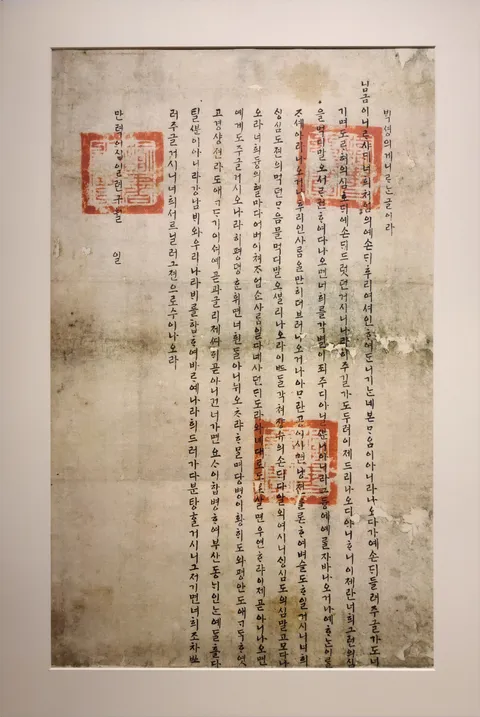
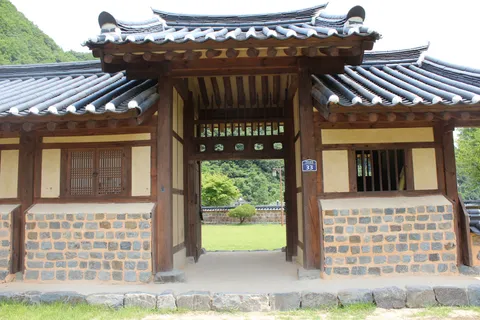
He built the Sancheonjae study at Deoksan below Jirisan and taught disciples there. His teaching of reverence (gyeong) to keep the mind upright and righteousness (ui) to keep conduct straight put practice above theory. He refused office many times, and in his 1555 memorial declining the post of Danseong magistrate he sharply criticised Queen Munjeong's regency and the rule of royal in-laws. His disciples sided with the Easterners in the 1575 split and became the core of the Northerners, and Gwak Jae-u and Jeong In-hong raised militias in the Imjin War.
Where they went

OpenFreeMap © OpenMapTiles © OpenStreetMap contributors

2 related events

  1. 1

    A clash between Kim Hyo-won and Sim Ui-gyeom over a key personnel post split the Sarim into Easterners and Westerners, beginning factional politics.

  2. 2
    1592Gwak Jae-u Raises a Militiarelated figure

    About ten days into the war Gwak Jae-u raised a volunteer militia in Uiryeong, and militias soon rose across the country.

People who appear alongside

  • Kim Hyo-won1542 – 1590

    Clashed with Sim Ui-gyeom over a key personnel post and became leader of the Easterners

  • Sim Ui-gyeom1535 – 1587

    The queen's brother, who opposed Kim Hyo-won and led the Westerners

  • King Seonjo1552 – 1608

    Fourteenth king of Joseon; fled to Uiju and asked Ming for help

  • Gwak Jae-u1552 – 1617

    The first militia leader to rise, in Uiryeong; called the Red-Robed General

Themes this person appears in

  • Imjin War1592 – 1598

    From the Japanese invasion to the Battle of Noryang — the righteous armies, Yi Sun-sin at sea, and Ming intervention

  • Factional Politics in Joseon1498 – 1863

    From the literati purges to in-law government — how Sarim factions moved from coexistence and checks to purges and one-faction rule, then through Tangpyeong to the dominance of a few clans