ConflictJune 1419(Lunar)

Expedition to Tsushima

To strike the pirates at their base, Yi Jong-mu attacked Tsushima with some 200 ships; trade was later allowed under the 1443 treaty.
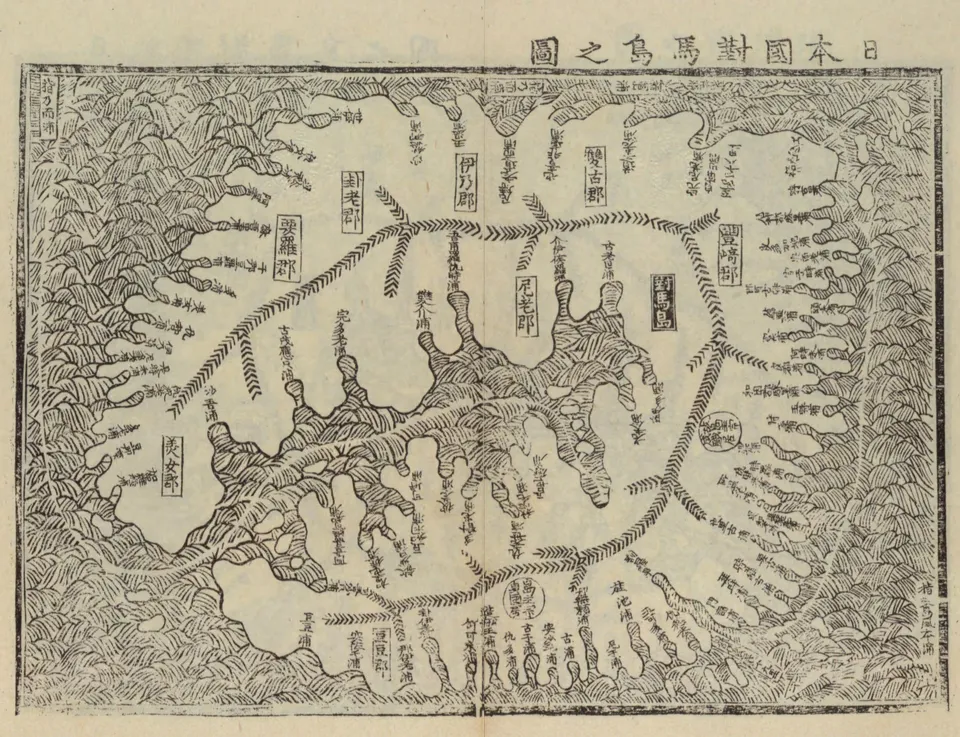
Map of Tsushima from Haedong jegukgi, compiled by Sin Suk-ju in 1471

申叔舟 [撰] · Public domain · Source

In the fifth month of 1419 Japanese pirates raided Biin in Chungcheong and Haeju in Hwanghae. Sejong had been on the throne only a year, and military command still lay with the retired king Taejong, who led the decision to attack. It is also called the Gihae Eastern Expedition, after the year’s name.

Yi Jong-mu, as supreme field commander, sailed from Geoje in the sixth month with 227 warships and over 17,000 men. On Tsushima he burned or captured some 120 pirate ships and burned about 2,000 houses, but lost a good many men to an ambush during a landing. When the lord of Tsushima sued for peace, the fleet withdrew in early July.

Joseon then combined firmness with conciliation. It opened three ports — Busanpo, Jepo and Yeompo — to Japanese trade, and the Gyehae Treaty of 1443 limited Tsushima to 50 trading ships and 200 seok of rice a year. The growing Japanese communities in the three ports later led to the Revolt of the Three Ports.


The map in 1419

OpenFreeMap © OpenMapTiles © OpenStreetMap contributors

States and rulers at the time
Joseon · invader — Sejong
Japan

People

  • Yi Jong-mu1360 – 1425

    commander · Early Joseon general who led the 1419 expedition to Tsushima

  • Taejong (Yi Bang-won)1367 – 1422

    leader · Third king of Joseon, who seized power in the Strifes of Princes and strengthened royal authority

  • Sejong the Great1397 – 1450

    monarch · Fourth king of Joseon, creator of Hangul, patron of science and of the northern frontier

Before and after

Themes that include this event

  • Song, Ming and Samurai JapanAD 960 – 1500

    The age when the civil-minded Song bought peace from Liao, Western Xia and Jin while the lower Yangtze boomed and Neo-Confucianism took shape, and the Ming, having driven out the Yuan, rebuilt the East Asian order through imperial autocracy, the sea ban and tribute — as Japan passed through the Kamakura and Muromachi warrior governments into the Warring States era, and Korea from Goryeo to Joseon