Taishō Democracy
Also called: Taisho democracy, Movement to Protect Constitutional Government
Under the Taishō Emperor (1912–1926) a democratic current spread in Japan, as the movement to protect constitutional government and the idea of minponshugi pressed for party government and universal suffrage.
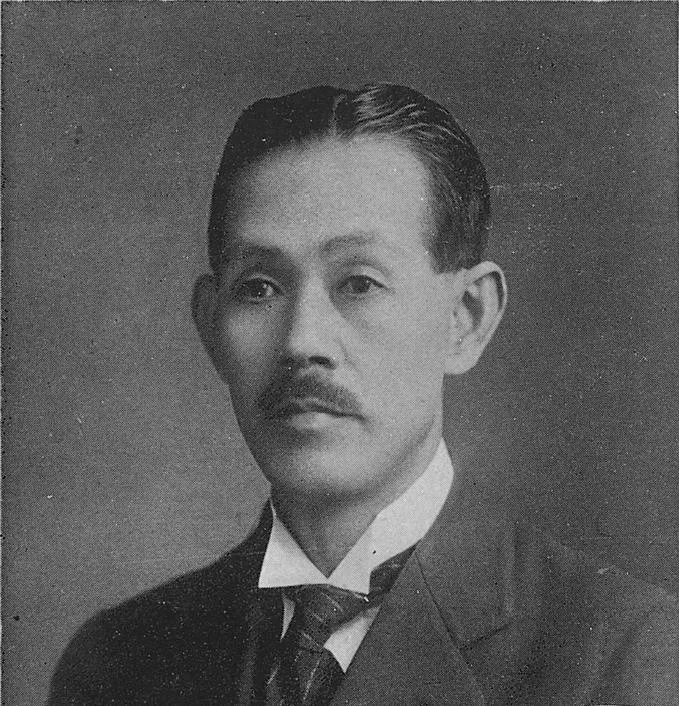
Unknown author · Public domain · Source
When Katsura Tarō formed a cabinet backed by the old domain cliques and the army at the end of 1912, citizens and parties rallied to “protect constitutional government and overthrow clique rule”, bringing it down the following February (the Taishō Political Crisis). In 1916 Yoshino Sakuzō argued for minponshugi: without questioning the emperor’s sovereignty, politics should serve the people’s welfare and follow their wishes. Minobe Tatsukichi’s theory of the emperor as an organ of the state also gave party government a theoretical footing.
The First World War boom swelled the urban middle class and the working class, and labour, tenant-farmer and women’s movements grew. After the Rice Riots of 1918 Hara Takashi formed a party cabinet, and the second constitutional movement of 1924 brought in Katō Takaaki’s cabinet, opening the era of the “normal course of constitutional government”, in which the majority party in the lower house formed the cabinet, until 1932.
Yet, as the passage of the Peace Preservation Law alongside universal male suffrage in 1925 showed, democratization stopped short of the imperial system and colonial rule. After the Depression and the Manchurian Incident the military gained strength and party government came to an end.