Politics372–373

King Sosurim’s Reforms — Buddhism, Taehak and Law

King Sosurim adopted Buddhism through the monk Sundo from Former Qin, founded the Taehak academy and issued a law code.
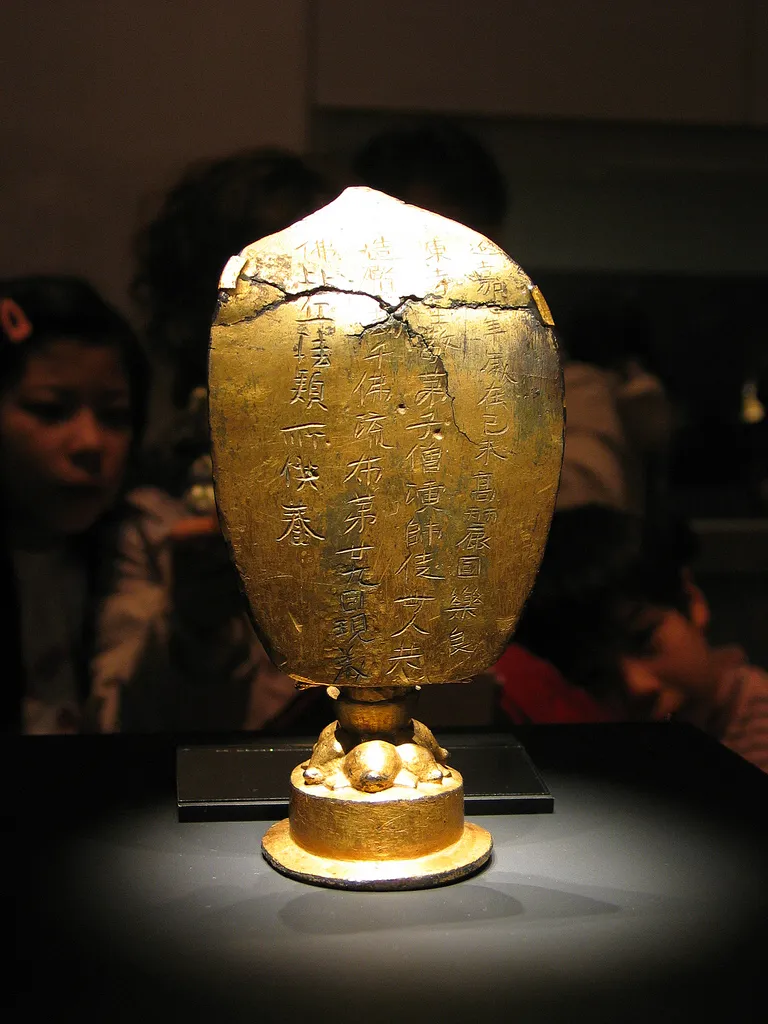
Inscription on the back of the gilt-bronze Buddha dated "7th year of Yeonga" (539), a Goguryeo image

xxiaa (a flickr user) · CC BY-SA 2.0 · Source

Crowned after his father fell to Baekje, Sosurim rebuilt the kingdom. In 372 he accepted the Buddhism brought by Sundo of Former Qin to unite the people’s faith and founded the Taehak to teach the Confucian classics; in 373 he issued a code of laws.

Adopting Buddhism and a law code marked the move to a centralized state: Goguryeo (372–373), then Baekje (384, King Goi’s laws), then Silla (527, 520).

The map in AD 372

OpenFreeMap © OpenMapTiles © OpenStreetMap contributors

States and rulers at the time
Goguryeo — King Sosurim
Places
Gungnae-seong

People

  • King SosurimAD 384

    monarch · Seventeenth king of Goguryeo, who adopted Buddhism, founded the Taehak and issued a law code

Before and after

Themes that include this event

  • Sui, Tang and the East Asian WorldAD 317 – AD 979

    From the divided Southern and Northern Dynasties and the Gupta age through the Sui and Tang empires to the founding of the Song — the age when an East Asian world sharing law codes, Buddhism, Confucianism and Chinese characters took shape, and Korea and Japan built their states on its model

  • Educational Institutions Through the AgesAD 372 – 1943

    From the Taehak and Gukhak to the Gukjagam and Seonggyungwan, modern schools and the colonial education ordinances — state schools that trained officials and the private schools that filled the gaps