The Founding of Rome and the Death of Remus
Also called: Founding of Rome, Natale di Roma, Birthday of Rome, Death of Remus
A legend handed down over the centuries.
A Roman founding legend told in Book 1 of Livy and in Ovid’s Fasti. The twins quarrelled over the site of the new city and took the auspices from the flight of birds; when Romulus ploughed the furrow for his walls on the Palatine, Remus mocked it and leapt over, and Romulus killed him and founded Rome, named after himself. The traditional date is 21 April 753 BC.
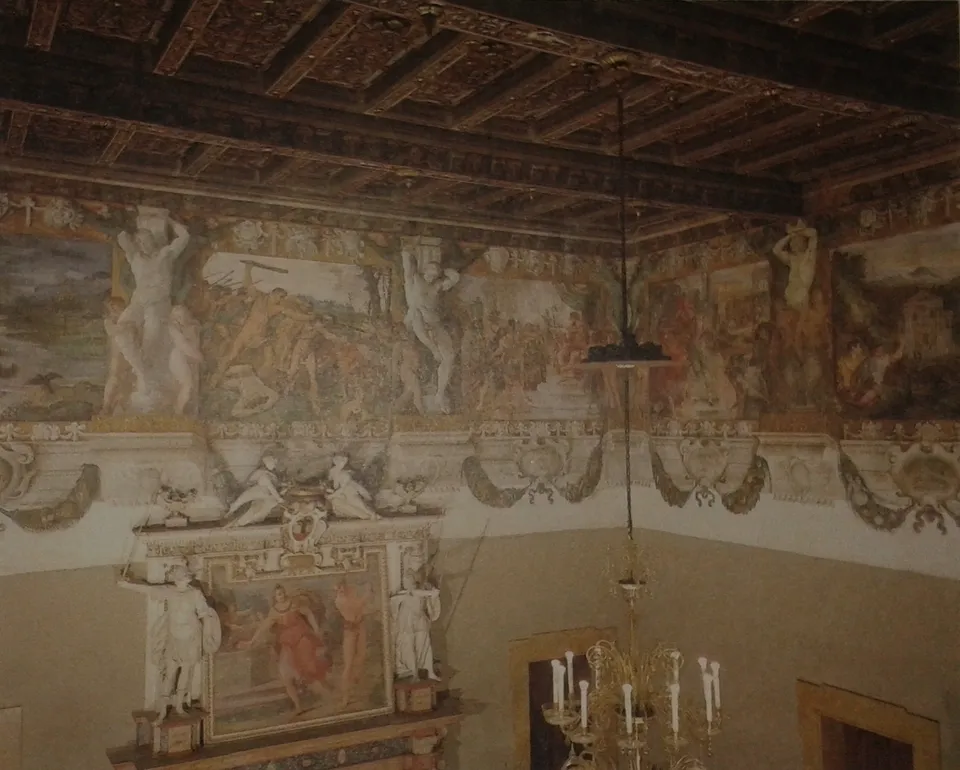
Agostino Carracci / Ludovico Carracci / Annibale Carracci · Public domain · Source
This Roman founding legend is told in Book 1 of Livy’s History of Rome, Book 4 of Ovid’s Fasti and Plutarch’s Life of Romulus. The twins resolved to found a city where they had been rescued but quarrelled over who should rule it, so they took the auspices — Romulus on the Palatine, Remus on the Aventine. Remus saw six vultures first; Romulus then saw twelve.
When Romulus ploughed a furrow (the pomerium) round the Palatine to mark his walls, Remus mocked it and leapt across, and Romulus killed him, saying, “So perish whoever else shall leap over my walls,” as Livy tells it. Other versions say Remus died in a brawl, or was killed by Romulus’ follower Celer (Ovid). Romulus named the city Rome after himself and swelled its population by taking in fugitives and drifters. Later he vanished in a storm and became the god Quirinus.
The year 753 BC, calculated by the 1st-century BC scholar Varro, became the standard date; ancient writers also gave 814 BC (Timaeus), 748 BC (Fabius Pictor) and others. 21 April is the Parilia, a shepherds’ festival, and is still celebrated as Rome’s birthday. Archaeology shows that the Palatine was inhabited at this time, but there is no evidence that one man founded the city on a single day.