Rangoon Bombing
Also called: Aung San Mausoleum bombing
A bomb planted by North Korean agents to kill President Chun Doo-hwan on a visit to Burma exploded at the Aung San Mausoleum in Rangoon, killing 17 Koreans including the deputy prime minister and cabinet ministers.
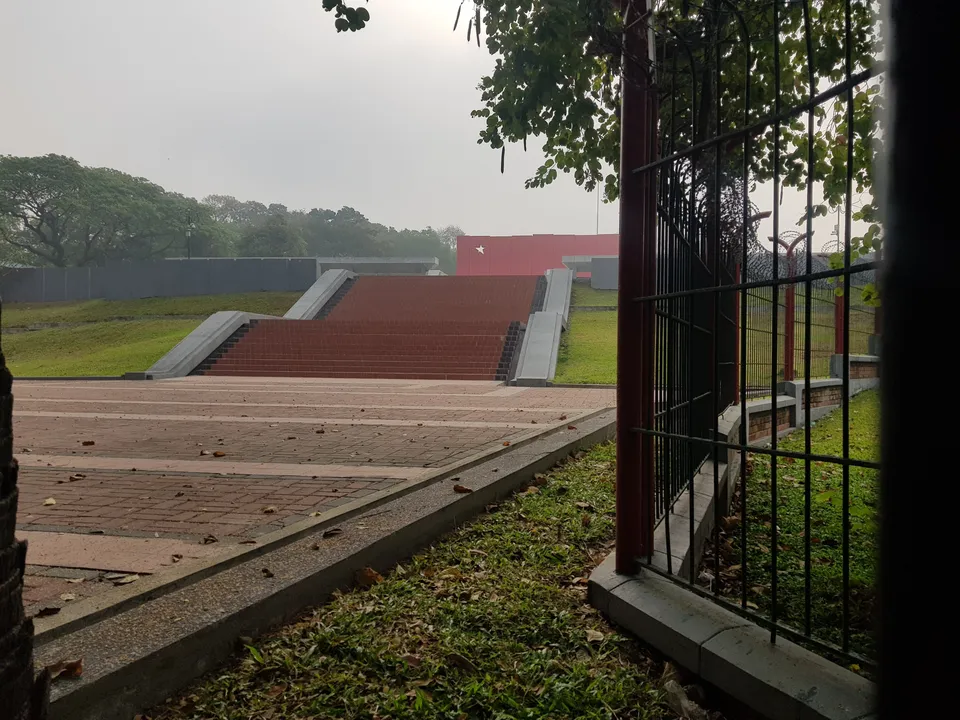
Kantabon · CC BY-SA 4.0 · Source
On 9 October 1983, shortly before President Chun Doo-hwan, on a tour of South and South-East Asia and Oceania, was due to lay a wreath, a bomb hidden in the roof of the Aung San Mausoleum in Rangoon (today’s Yangon) exploded. The president, delayed on his way, escaped, but 17 members of his party and press corps — among them Deputy Prime Minister Suh Suk-joon and Foreign Minister Lee Bum-suk — were killed and many injured. Burmese people were also killed.
Burmese investigators found that three North Korean agents had carried out the attack (one was killed, two captured). Burma cut diplomatic relations with North Korea that November (they were restored in 2007).