Snorri Sturluson’s Prose Edda (Younger Edda)
Also called: Prose Edda, Snorra Edda, Gylfaginning
Around 1220 the Icelandic chieftain and poet Snorri Sturluson composed the Prose Edda at Reykholt. Written as a handbook explaining the language and metres of old poetry, its question-and-answer section on the gods, Gylfaginning, became the most important book telling Norse mythology as a continuous story.
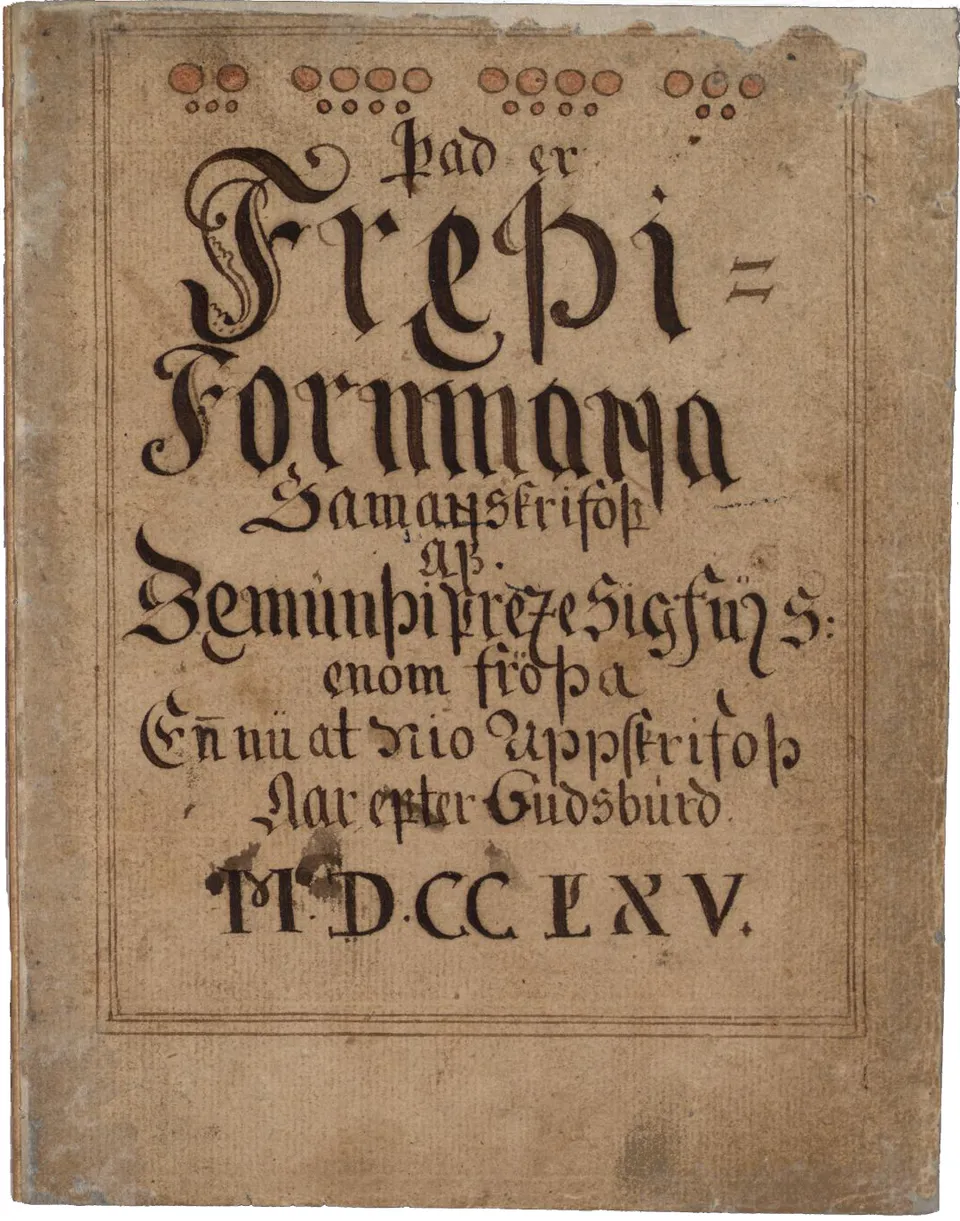
Jakob Sigurðsson [2] · Public domain · Source
Snorri Sturluson (1179–1241) was one of Iceland’s leading chieftains and served as lawspeaker; in 1218–1220 he visited Norway, entering the service of King Haakon IV and Earl Skúli before returning home. The Prose Edda is thought to have been composed at Reykholt around this time, in the 1220s. It consists of a Prologue; Gylfaginning, which tells the myths as a story; Skáldskaparmál, which explains poetic expressions (kennings); and Háttatal, which demonstrates metres with Snorri’s own verse. Whether he wrote all of it or compiled it is debated.
In Gylfaginning the Swedish king Gylfi, disguised as a wanderer, visits Asgard and questions three figures — High, Just-as-High and Third — about the beginning and end of the world. Snorri wove the story together, quoting old poems such as Völuspá. A Christian, he explained in the Prologue that the gods (the Æsir) were men who had come north from Troy by way of Asia, treating the old gods as material for poetry rather than objects of faith.
The Prose Edda survives in manuscripts of the 14th century such as the Codex Regius (GKS 2367 4to) and the Codex Upsaliensis. Caught up in the struggles between the Norwegian king and Icelandic chieftains, Snorri was killed at Reykholt on 23 September 1241 by men under Gissur Þorvaldsson acting on the king’s letter. His hot-spring pool, Snorralaug, survives at Reykholt.