Conflict1510 – 1511

Portuguese Capture of Goa and Malacca

Also called: Capture of Goa, Capture of Malacca

Portugal’s Afonso de Albuquerque took Goa in India and Malacca, the key to Southeast Asian trade. Portugal sought to control the Indian Ocean spice trade through a network of fortified ports.
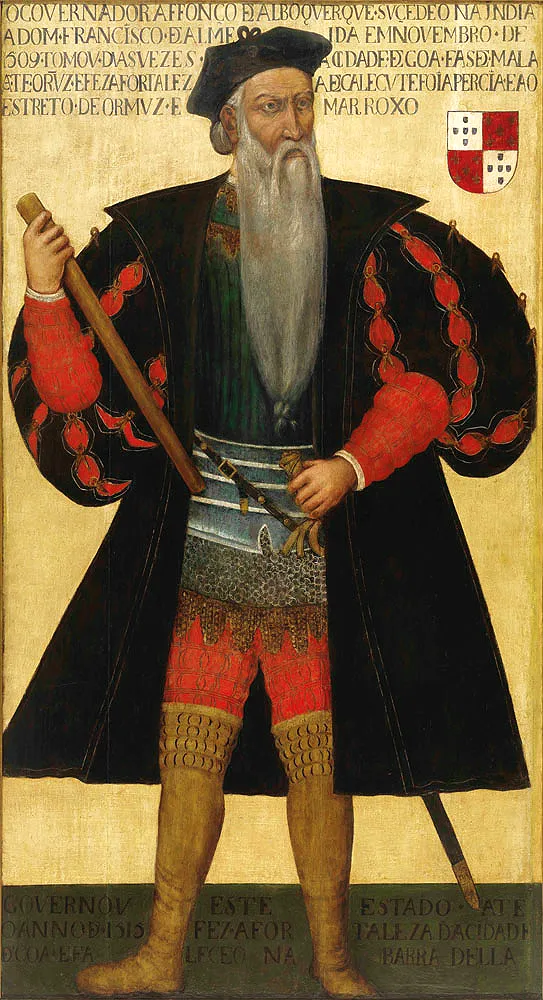
Afonso de Albuquerque — portrait painted after 1545

Unknown author · Public domain · Source

After defeating a Mamluk–Gujarati fleet at Diu in 1509, the Portuguese seized Goa from the Bijapur Sultanate in November 1510 and made it the capital of Portuguese India. In August 1511 they overthrew the Sultanate of Malacca and took control of the Strait, and in 1515 seized Hormuz at the mouth of the Persian Gulf. Rather than conquering territory, Portugal linked forts and harbours and attacked ships sailing without its passes (cartazes) in order to dominate trade. From Malacca it reached the Spice Islands (Moluccas) and China.

The map in 1510

OpenFreeMap © OpenMapTiles © OpenStreetMap contributors

States at the time
Portugal · conqueror
Portuguese India · established
Malacca Sultanate · fell
Portuguese Malacca · established
Places
Goa, Malacca

People

  • Afonso de Albuquerque1453 – 1515

    commander · Governor of Portuguese India who took Goa, Malacca and Hormuz, linking Portugal’s naval bases across the Indian Ocean

  • Manuel I of Portugal1469 – 1521

    monarch · King of Portugal who sent the voyages of Vasco da Gama and Cabral and built Portugal’s Asian trading empire

Before and after

Themes that include this event

  • Turkic-Islamic Empires and Other Civilizations1000 – 1533

    From the Ghaznavid raids on India to the Mughal Empire and Suleiman I — five centuries in which Turkic-led Islamic empires took western Asia and India, while Africa, Southeast Asia and the Americas raised civilisations of their own

  • The Age of Discovery1415 – 1600

    From Ceuta to the Manila galleons — two centuries in which European ships crossed the oceans and bound the world together by sea