Northern Wei Unifies North China
Also called: Beginning of the Northern and Southern Dynasties
The Northern Wei, founded by the Tuoba clan of the Xianbei, destroyed the Northern Liang in 439, ending the strife of the Sixteen Kingdoms and uniting north China. The age of the Southern and Northern Dynasties began.
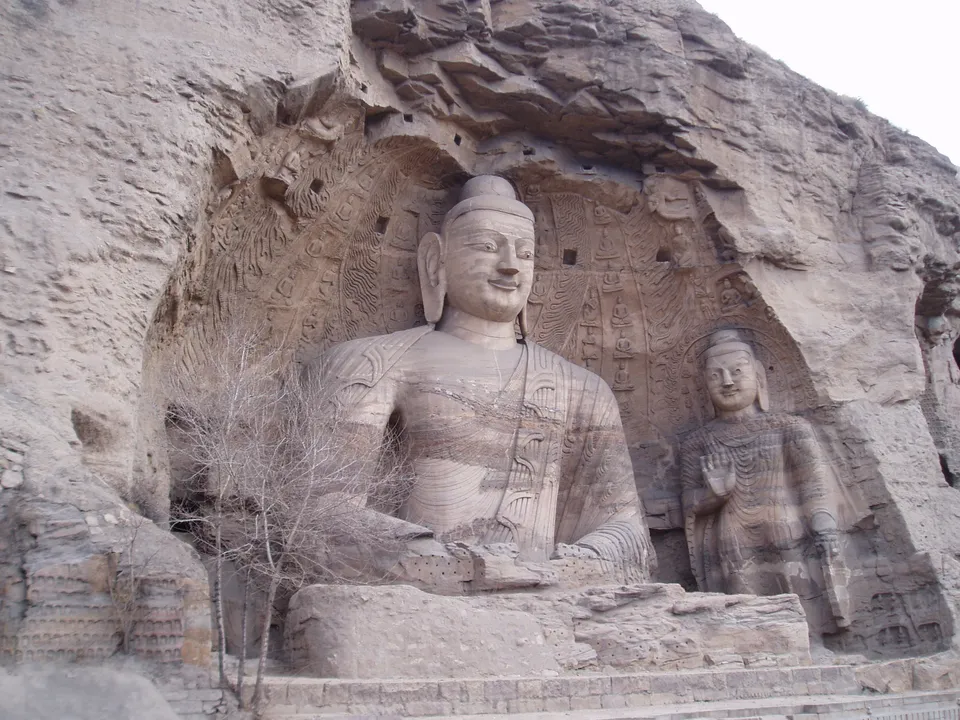
Steve Cadman · CC BY-SA 2.0 · Source
After the Western Jin fell to the Xiongnu in the early 4th century (the Yongjia disaster), north China was contested by states founded by five peoples — the Xiongnu, Jie, Xianbei, Di and Qiang — and by Han Chinese: the Sixteen Kingdoms. The Northern Wei, founded in 386 by Tuoba Gui of the Xianbei, built up its strength from its capital at Pingcheng (today’s Datong), and Emperor Taiwu united the north by destroying the Northern Liang in 439.
So began the age of the Northern and Southern Dynasties, with northern states facing southern ones across the Huai. Northern Wei for a time made Daoism the state religion but soon became a great patron of Buddhism, carving the Yungang caves west of Pingcheng from around 460. King Jangsu of Goguryeo kept both in check by sending envoys to Northern Wei and to the Southern Dynasties alike.