Northern Expedition
Also called: Jinan Incident, Huanggutun Incident
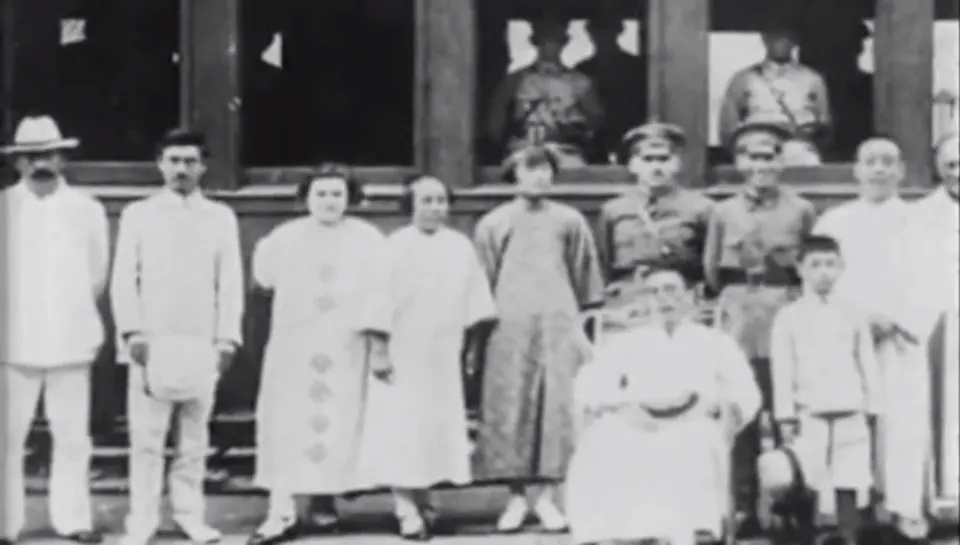
In July 1926 the National Revolutionary Army under Chiang Kai-shek marched north from Guangzhou to destroy the warlords; in 1928 it took Beijing, and with Zhang Xueliang’s submission China was formally unified.
Unknown author · Public domain · Source
After Sun Yat-sen’s death in 1925 a National Government was set up in Guangzhou, and the May Thirtieth Movement in Shanghai raised anti-imperialist fervour. In July 1926 the National Revolutionary Army under Commander-in-Chief Chiang Kai-shek set out against Beiyang warlords such as Wu Peifu and Sun Chuanfang; aided by peasant and worker movements organized by the Communists, it took Wuhan that autumn and Shanghai and Nanjing the following March.
After the United Front broke up in 1927 Chiang resumed the campaign. Japan sent troops into Shandong, claiming to protect its residents, and clashed with the Nationalist army at Jinan in May 1928 (the Jinan Incident). In June the Nationalists entered Beijing and renamed it Beiping, while the Fengtian warlord Zhang Zuolin, returning to Manchuria, was killed when Kwantung Army officers blew up his train. The expedition ended in December when his son Zhang Xueliang raised the National Government’s flag.
The Nanjing government recovered tariff autonomy and reformed the currency, but regional warlords kept much of their power and the civil war with the Communists went on. Alarmed by Zhang Xueliang’s allegiance, Japanese officers with designs on Manchuria began to plot the Manchurian Incident.