Nanjing Massacre
Also called: Rape of Nanking, Nanking Massacre
After capturing Nanjing, capital of the Republic of China, on 13 December 1937, the Japanese army spent several weeks massacring prisoners and civilians and committing rape, looting and arson.
Memorial Hall of the Victims in Nanjing Massacre by Japanese Invaders · Public domain · Source
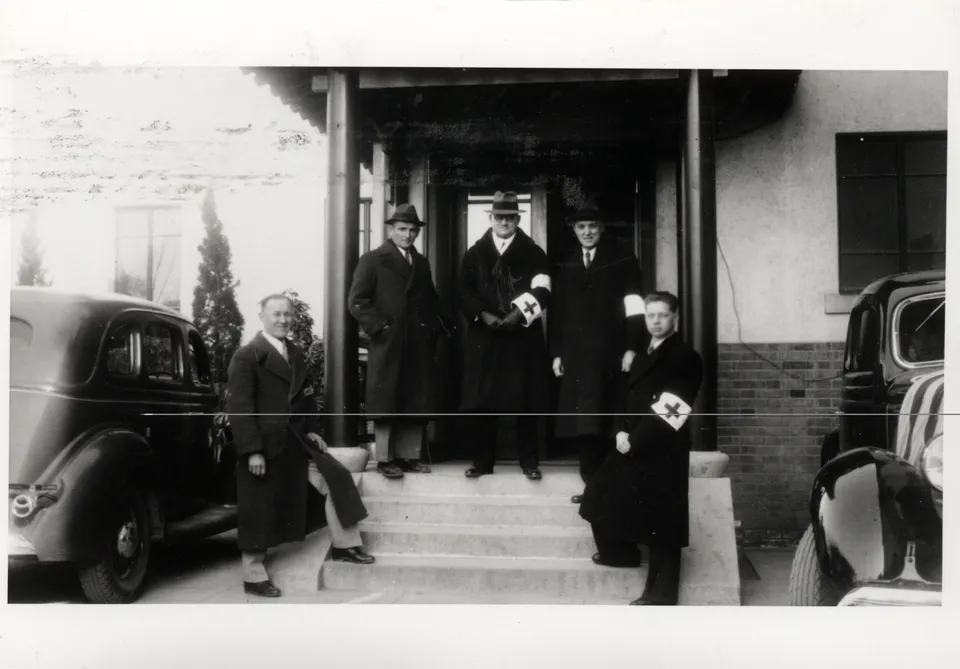
Badly mauled at Shanghai, the Japanese army pursued the retreating Chinese forces to Nanjing and took the city on 13 December. Over the following six weeks or so Japanese troops killed surrendered prisoners and men suspected of being soldiers en masse, raped large numbers of women, and looted and burned. Westerners who had stayed behind formed the International Committee for the Nanking Safety Zone, chaired by John Rabe, which sheltered over 200,000 refugees and recorded the soldiers’ conduct for the world.
Estimates of the number of victims vary widely because records are scattered. China’s post-war Nanjing War Crimes Tribunal judged it at over 300,000, a figure the Chinese government also uses, while the International Military Tribunal for the Far East (Tokyo Trial) put it at over 200,000. Scholars’ estimates range broadly from tens of thousands to over 200,000. The Japanese government’s position is that the killing of non-combatants and looting cannot be denied, but that there are various views on the exact number.
The Tokyo Trial executed Matsui Iwane, who commanded the attack on Nanjing, on this charge. The massacre stands as the emblematic Japanese war crime, and continuing efforts within Japan to deny or minimize it have made it a point of historical dispute among Korea, China and Japan.