Reforms of King Mun of Balhae
King Mun made peace with Tang and adopted its institutions, creating the Three Departments and Six Ministries; he used the era name Daeheung and opened the Silla Road.
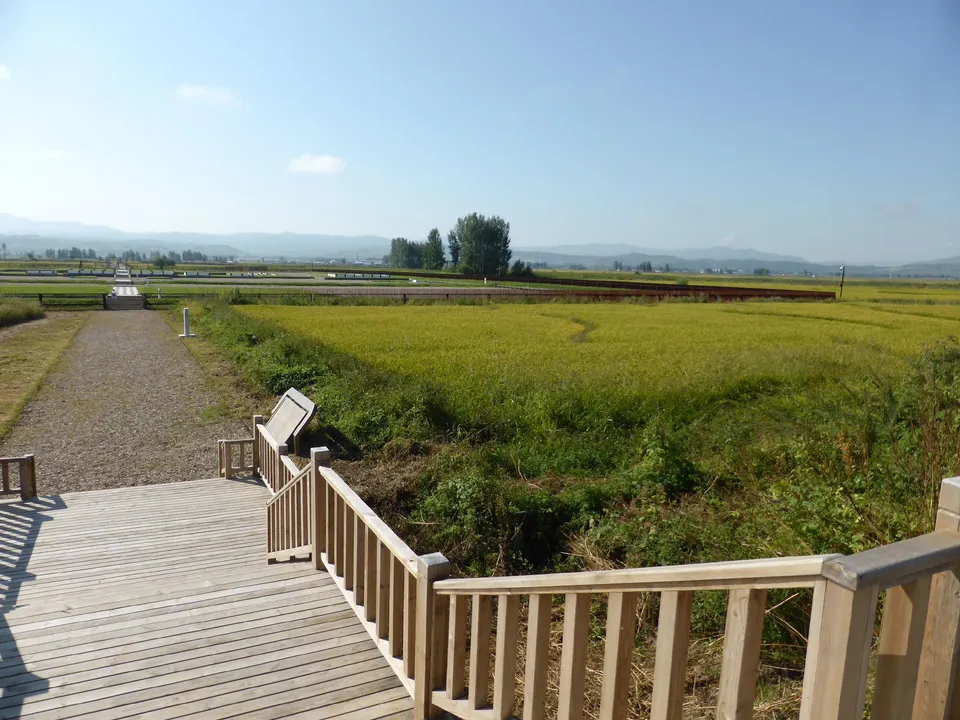
Senkaku Islands · CC BY-SA 4.0 · Source
Mun used the era names Daeheung and Boryeok, and the epitaph of Princess Jeonghyo calls him "His Majesty the Emperor". In 762 Tang raised his title from "Commandery Prince" to "King of Balhae".
The central government had three departments (Jeongdang, Seonjo, Jungdae) and six ministries named after Confucian virtues (Chung, In, Ui, Ji, Ye, Sin). Though modelled on Tang, Balhae’s system was distinctive: the head of the Jeongdang-seong ran the state, and the ministries were split between two directorates. The Juja-gam was the highest school.
Mun moved the capital to Sanggyeong and traded with Silla along the Silla Road from the Eastern Capital to Jeongcheon (Deogwon). Balhae kept the Silla, Japan, Yingzhou, Khitan and Tribute (Amnok) roads, radiating from Sanggyeong to its neighbours. As exchanges with Tang flourished, Tang set up the Balhae Lodge (Bohai guan) at Dengzhou on the Shandong peninsula to house Balhae envoys and merchants.