1948 London Olympics
Also called: Games of the XIV Olympiad, London 1948, Austerity Games
The “Austerity Games”, held after a twelve-year gap during which two Games were lost to the Second World War. Korea, about to establish its government, competed for the first time under the name KOREA and its own Taegukgi flag, winning two bronze medals.
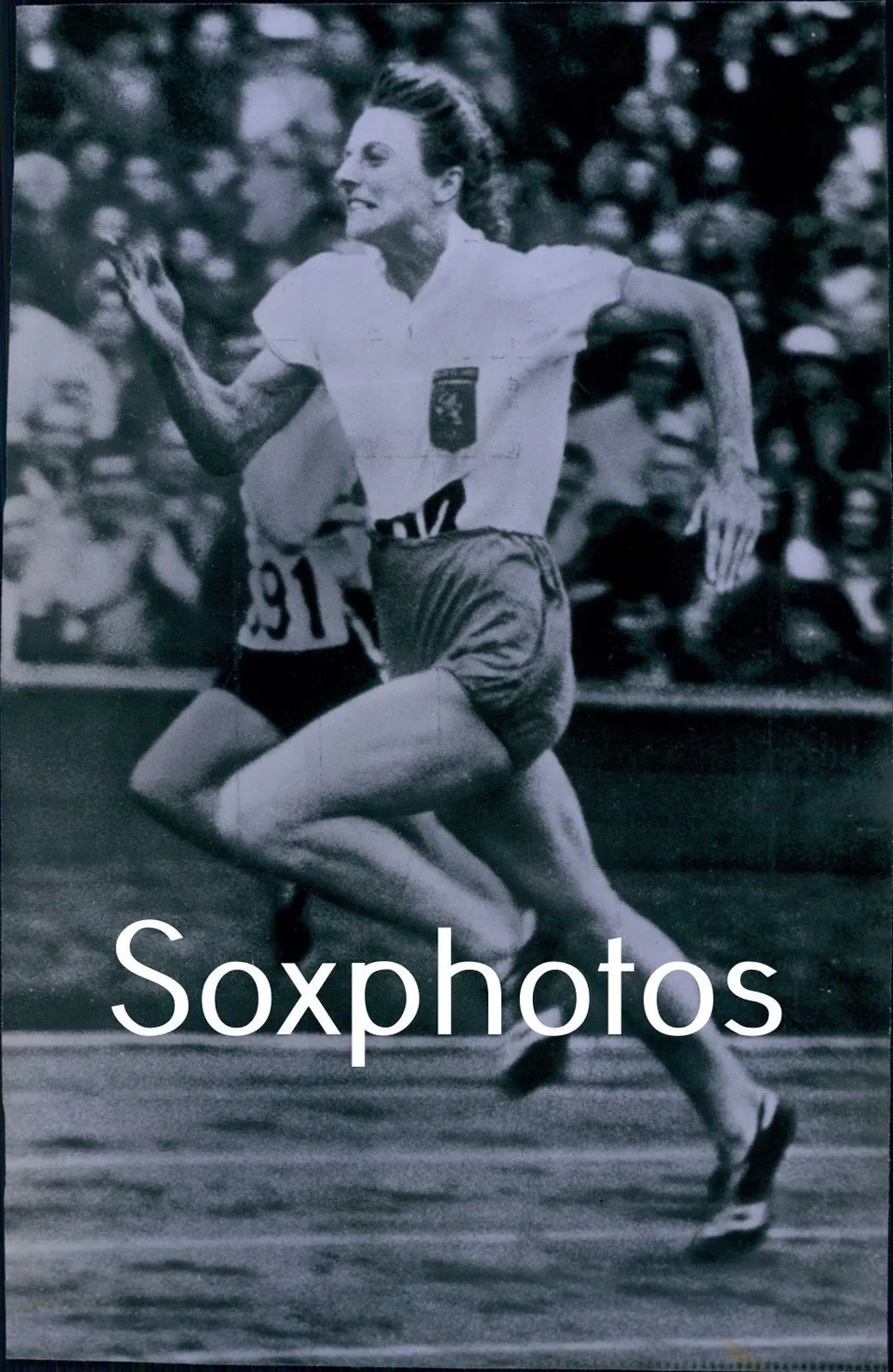
Associated Press · Public domain · Source
The 1940 Games had been awarded to Tokyo, which gave them up because of the war with China; Helsinki, which took over, could not hold them because of the Second World War, and London 1944 was cancelled too. After the war London held the first Olympics in twelve years from 29 July to 14 August 1948. With rationing still in force, no new stadium was built—Wembley was used—and athletes were housed in army barracks and college dormitories (the “Austerity Games”). Fifty-nine nations took part; defeated Germany and Japan were not invited, and the Soviet Union did not come. Fanny Blankers-Koen of the Netherlands won four gold medals.
Admitted to the IOC in 1947, the Korean Olympic Committee raised funds by selling Olympic lottery tickets, and the Korean team, travelling by ship and plane, reached London shortly before the founding of the Republic of Korea on 15 August. Marching for the first time under the name KOREA behind the Taegukgi, Korea won bronze medals through the weightlifter Kim Sung-jip and the boxer Han Soo-an. Its football team beat Mexico 5–3 before losing 12–0 to Sweden.
On the day of the opening ceremony, Stoke Mandeville Hospital in England held an archery contest for war veterans with spinal injuries—the beginning of what became the Paralympic Games.