The Kushan Empire and Kanishka
Also called: Kushan Empire, Kushans
The Kushans, risen from the Yuezhi, ruled Central Asia and northern India. Under Kanishka they reached their height, controlling Silk Road trade and patronising Buddhism.
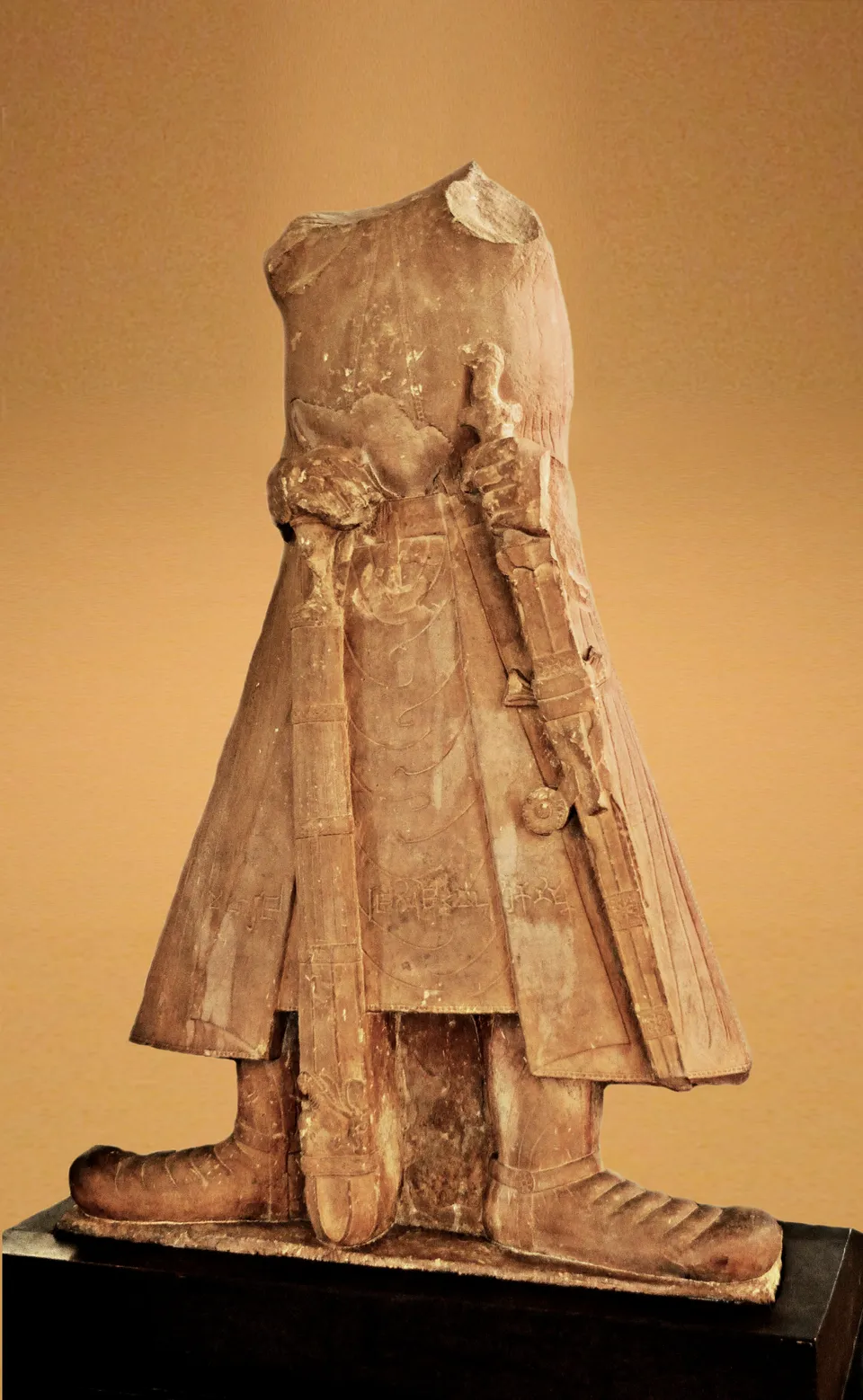
Biswarup Ganguly · CC BY-SA 3.0 · Source
Of the five Yuezhi tribes Zhang Qian had visited, the Kushans absorbed the others in the 1st century and pushed from Bactria across the Hindu Kush into northern India. Under Kanishka in the early 2nd century their empire stretched from the Amu Darya to the middle Ganges, with its capital at Purushapura (today’s Peshawar).
The Kushans prospered by controlling the junction of the Silk Road between Han, Parthia and Rome and the sea routes of the Indian Ocean. They struck gold coins of roughly Roman weight bearing Greek, Iranian and Indian gods alongside the Buddha — evidence of a mingling of cultures. Kanishka patronised Buddhism and is said to have convened the Fourth Council in Kashmir; Mahayana Buddhism and Gandhara art flourished in this age.
Kanishka’s accession was once dated to 78 (the start of the Shaka era), but today a date around 127 is generally preferred.