The Gupta Empire and India’s Classical Age
Also called: Gupta dynasty
Chandragupta I founded the Gupta dynasty in the Ganges valley and reunited northern India. Hinduism took shape, and Sanskrit literature, Gupta-style art and mathematics flourished in India’s classical age.
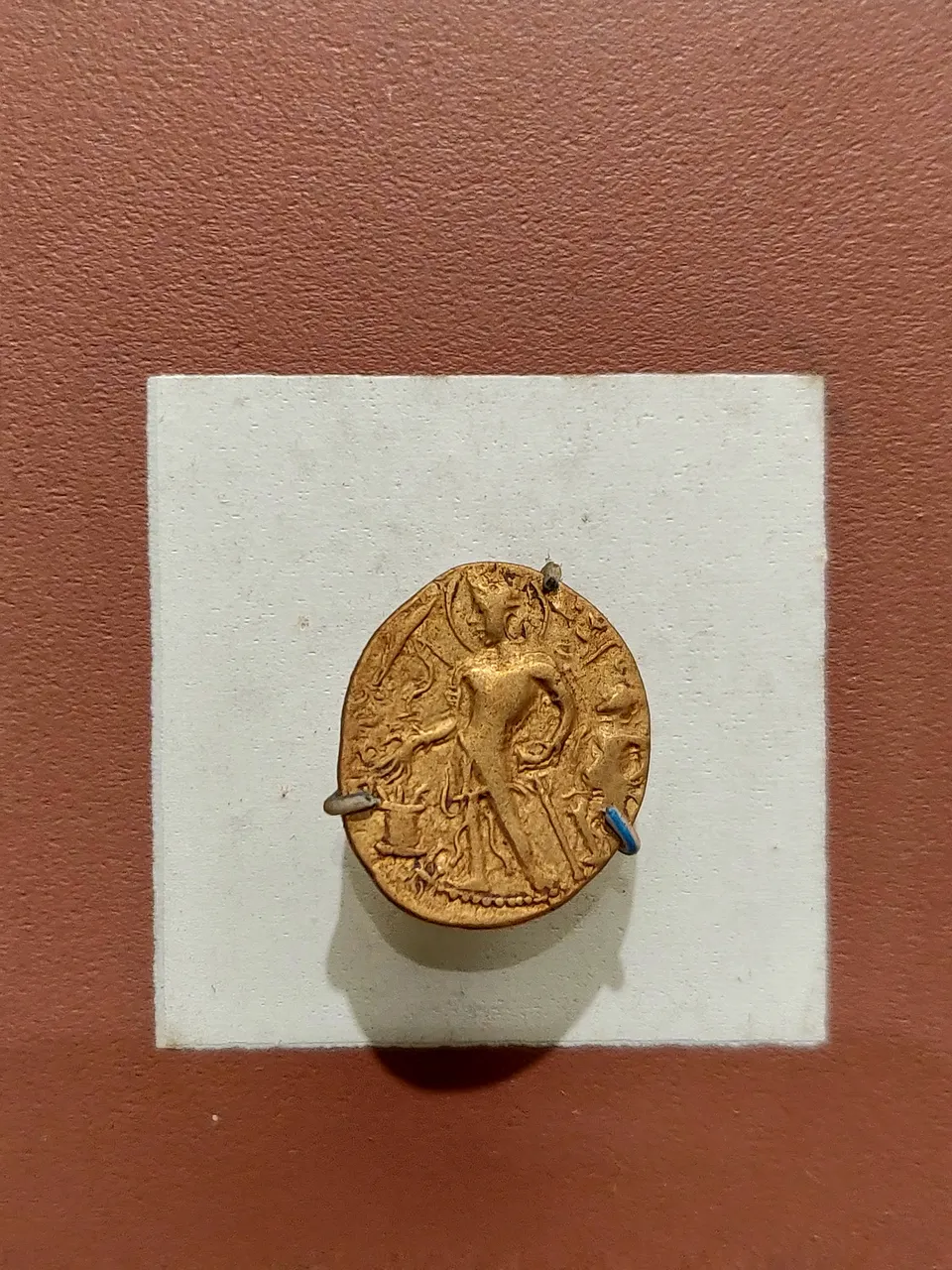
After the Kushans declined, northern India split into many states. Around 320 Chandragupta I founded the Gupta dynasty centred on Pataliputra in Magadha, and Samudragupta enlarged it by conquest. Under Chandragupta II (Vikramaditya) the empire took western India and reached its height; the Eastern Jin monk Faxian, who visited at this time, described a peaceful realm in his Record of Buddhist Kingdoms.
In this age Brahmanism absorbed folk cults and Buddhist ideas and settled into Hinduism, with the worship of gods such as Vishnu and Shiva; the Laws of Manu, setting out duties by caste, took their final shape around this time and became highly influential in Hindu society. Sanskrit was the language of the court, and Sanskrit literature flowered with Kalidasa’s play Shakuntala and the completion of the Mahabharata and Ramayana. Aryabhata calculated pi and the earth’s rotation, and decimal place-value notation with a zero became established, later passing to Europe through the Islamic world.
Buddhism still thrived, and the monastery of Nalanda was founded in the 5th century. The Gupta style, shedding Gandhara’s Greek manner for Indian faces and clinging, thin drapery, appears in works such as the Ajanta murals, and travelled through the Yungang and Longmen caves of China as far as Silla’s Seokguram. Weakened by Hephthalite invasions from the late 5th century, the empire collapsed in the mid-6th century.