Haitian Revolution
Enslaved Africans in French Saint-Domingue rose up, destroyed slavery and won independence as Haiti in 1804 — the first state founded by a slave revolt and the first independent country in Latin America.
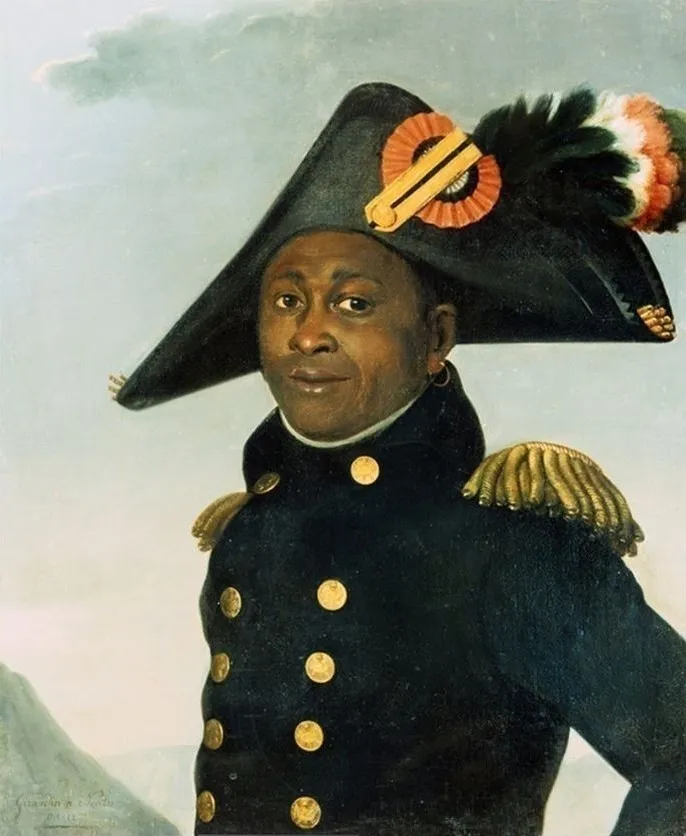
Alexandre-François-Louis, comte de Girardin · Public domain · Source
Saint-Domingue, the western part of the Caribbean island of Hispaniola, was France’s richest colony, producing sugar and coffee with the labour of nearly half a million enslaved Africans. After news of the Declaration of the Rights of Man and of the Citizen arrived, the slaves of the northern plain rose up in August 1791. The revolutionary government abolished slavery in all French colonies in 1794.
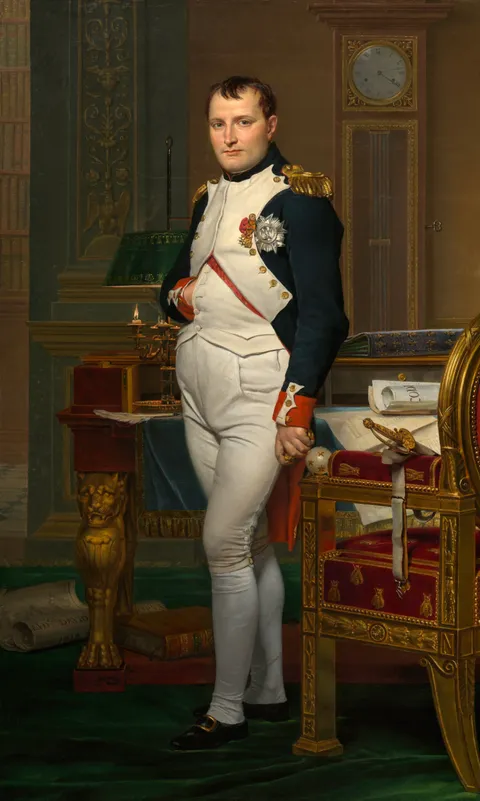
Toussaint Louverture, himself formerly enslaved, led an army that took control of the colony and issued a constitution in 1801. In 1802 Napoleon sent an expedition under his brother-in-law Leclerc, which seized Toussaint and shipped him to France, but yellow fever and resistance destroyed the French force. After victory at Vertières in 1803, Dessalines proclaimed Haitian independence on 1 January 1804.
Haiti was the second independent nation in the Americas after the United States and the first to end slavery through a slave revolt. As the Saint-Domingue expedition failed, Napoleon abandoned his American ambitions and sold Louisiana to the United States in 1803. Yet in 1825 Haiti had to pay France a huge indemnity in return for recognition, leaving it burdened with debt for generations.