Dutch Revolt
Also called: Eighty Years’ War, Union of Utrecht, Act of Abjuration
In 1568 the largely Calvinist northern provinces of the Netherlands, ruled by Philip II of Spain, rose up under William of Orange; they declared independence in 1581 and won recognition at the Peace of Westphalia in 1648.
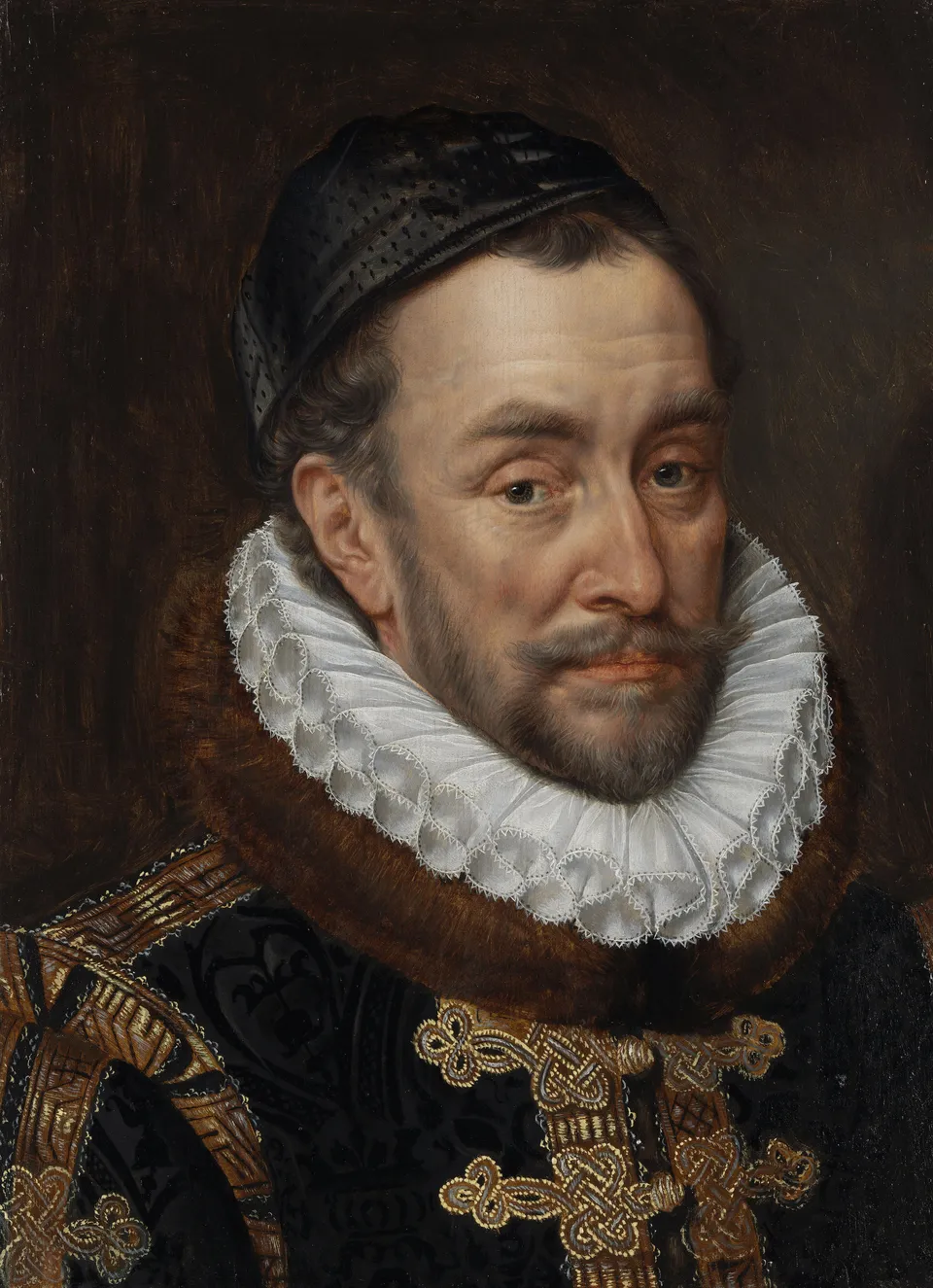
Adriaen Thomasz. Key · Public domain · Source
The Netherlands, rich from textiles and the carrying trade, passed from Charles V to Philip II of Spain. When Philip persecuted Calvinists, imposed heavy taxes and curbed local liberties, an iconoclastic fury broke out in 1566, and the Duke of Alba arrived with an army to rule by terror. In 1568 rebels led by William of Orange took up arms, beginning what became the Eighty Years’ War.
When the Catholic southern provinces made peace with Spain (Union of Arras), the seven northern provinces formed the Union of Utrecht in January 1579 and in July 1581 issued the Act of Abjuration renouncing Philip II as their sovereign, creating the Dutch Republic. William was assassinated in 1584, but the war went on and, after the Twelve Years’ Truce (1609–1621), Dutch independence was recognised internationally at the Peace of Westphalia in 1648.
After Antwerp fell (1585), merchants and capital moved to Amsterdam, and the Netherlands became the 17th-century centre of trade and finance. Hendrick Hamel, a sailor of the Dutch East India Company, was shipwrecked on Jeju in 1653, stayed in Joseon for thirteen years, and made the country known to Europe through his journal.