Bombing of Guernica
Also called: Gernika bombing
Germany’s Condor Legion and the Italian air force bombed the small Basque town of Guernica and left it in ruins. It became a symbol of indiscriminate bombing aimed at civilians.
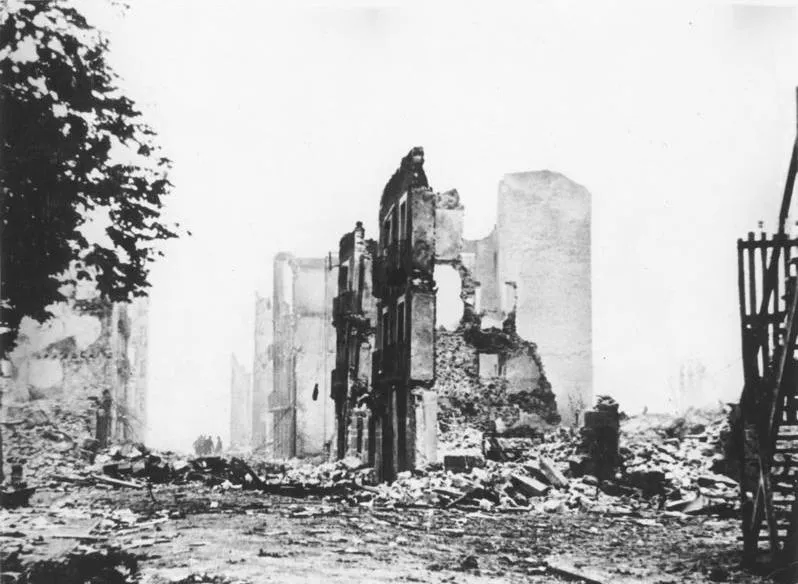
Unknown author · CC BY-SA 3.0 de · Source
In the spring of 1937 the Nationalists attacked the Basque Country in the north, which had sided with the Republic. On the afternoon of 26 April, a market day, the German Condor Legion, sent to help Franco, bombed Guernica — the symbol of Basque self-government — together with Italian aircraft for several hours. High-explosive and incendiary bombs burned and flattened most of the town.
The Basque government announced at the time that some 1,600 people had died; researchers today mostly estimate 150 to 300. The Nationalists claimed the Republicans had set the town on fire themselves, but the reporting of the British journalist George Steer made the bombing known to the world. Picasso responded with his great painting Guernica, shown that year in the Spanish Republic’s pavilion at the Paris World’s Fair. Guernica foreshadowed the bombing of cities that would recur throughout the Second World War.