Conflict490 BC

Battle of Marathon

In 490 BC Athenian hoplites defeated a Persian army that had landed on the plain of Marathon in Attica.
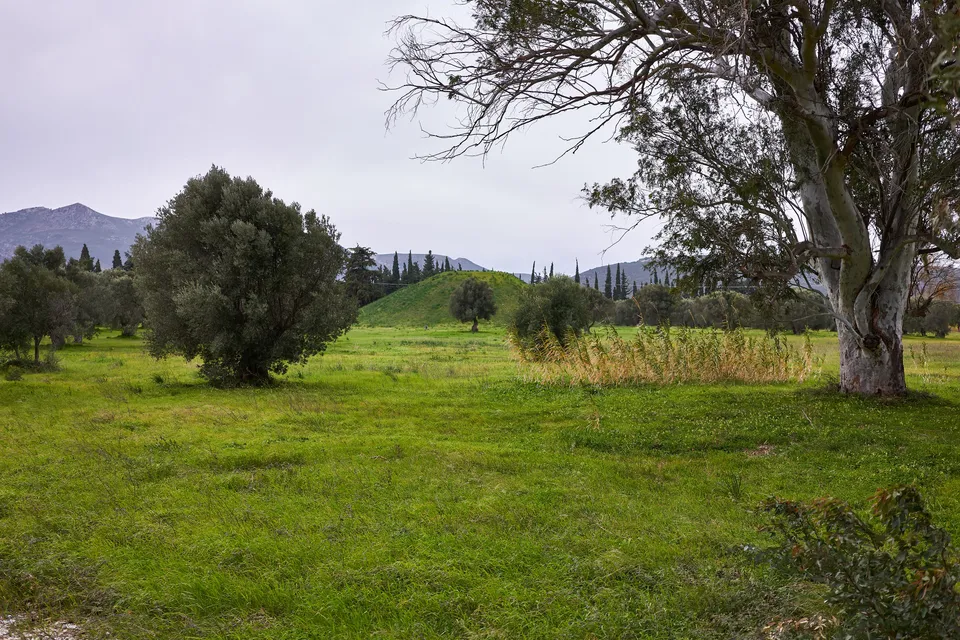
The tumulus of the Athenians on the plain of Marathon, raised over the 192 Athenian citizens who fell

George E. Koronaios · CC0 · Source

The Persian force sent by Darius I crossed the Aegean, burned Eretria and landed on the plain of Marathon north-east of Athens. While Spartan help was delayed by a religious festival, the Athenians, aided only by Plataea, attacked first on the plan of Miltiades.

The Athenian phalanx strengthened its wings, enveloped the Persians and won a great victory; Herodotus wrote that about 6,400 Persians and 192 Athenians died. The story of a messenger who ran to Athens with the news and then died is a later legend, which gave its name to the marathon race of the modern Olympics. The victory gave the Athenians confidence that Persia could be beaten.

The map in 490 BC

OpenFreeMap © OpenMapTiles © OpenStreetMap contributors

States at the time
Greek city-states · victor
Achaemenid Empire · defeated
Places
Marathon

People

  • Darius I550 BC – 486 BC

    monarch · King of Achaemenid Persia (r. 522–486 BC) who organized the empire through satrapies and the Royal Road

Before and after

Later
480 BC Battle of Salamis

Themes that include this event

  • Greece and Rome2000 BC – AD 476

    From the Aegean civilisation to the fall of the Western Roman Empire — the classical civilisation built by the democracy of the polis and the Roman republic and empire