Muslim Conquest of the Iberian Peninsula
Also called: al-Andalus, Battle of Guadalete
The Umayyad general Tariq ibn Ziyad crossed the straits from North Africa and overthrew the Visigothic kingdom. Most of the Iberian Peninsula came under Muslim rule.
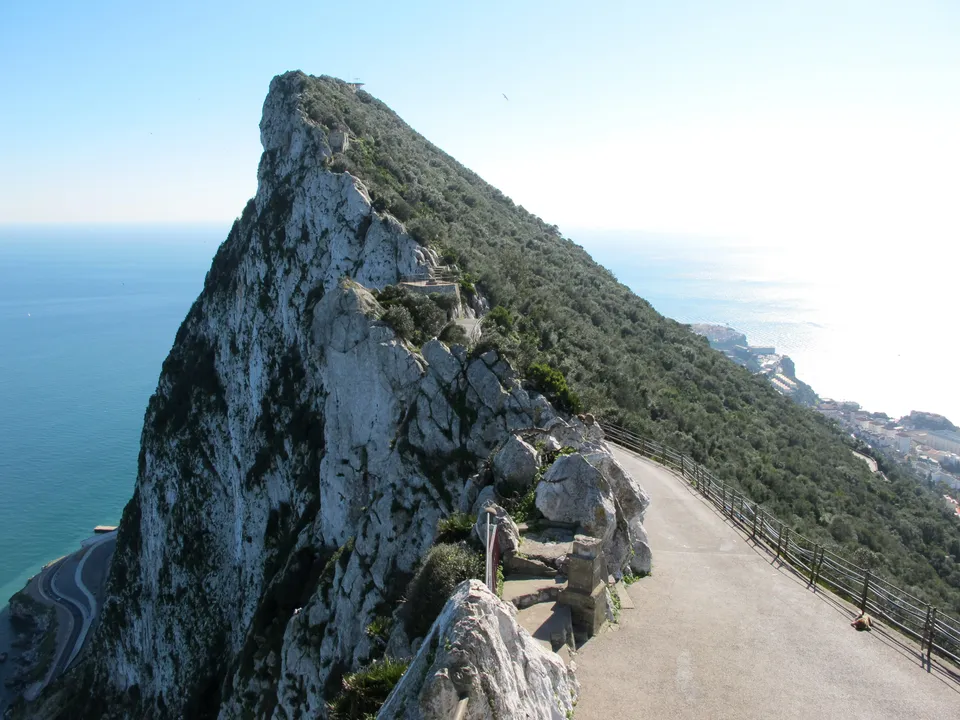
By the late 7th century the Umayyads had conquered North Africa and drawn the Berbers into Islam. In 711 Tariq ibn Ziyad, leading a mostly Berber army, crossed the straits and landed at what is now Gibraltar — the name comes from Jabal Tariq, “Tariq’s mountain”. That year the Visigothic king Roderic was defeated and killed at the Guadalete, the capital Toledo fell, and within a few years most of the peninsula was conquered.
Muslim-ruled Iberia was called al-Andalus. Christians holding out in the northern mountains founded the kingdom of Asturias, beginning the centuries-long Reconquista. The Muslim armies went on to probe across the Pyrenees into the Frankish kingdom.