The Two-Tax System
Also called: Liangshui fa
In 780, under Emperor Dezong of Tang and on the advice of the chief minister Yang Yan, the per-head zu-yong-diao tax was replaced by the two-tax system, levied in summer and autumn according to the land and property each household actually held.
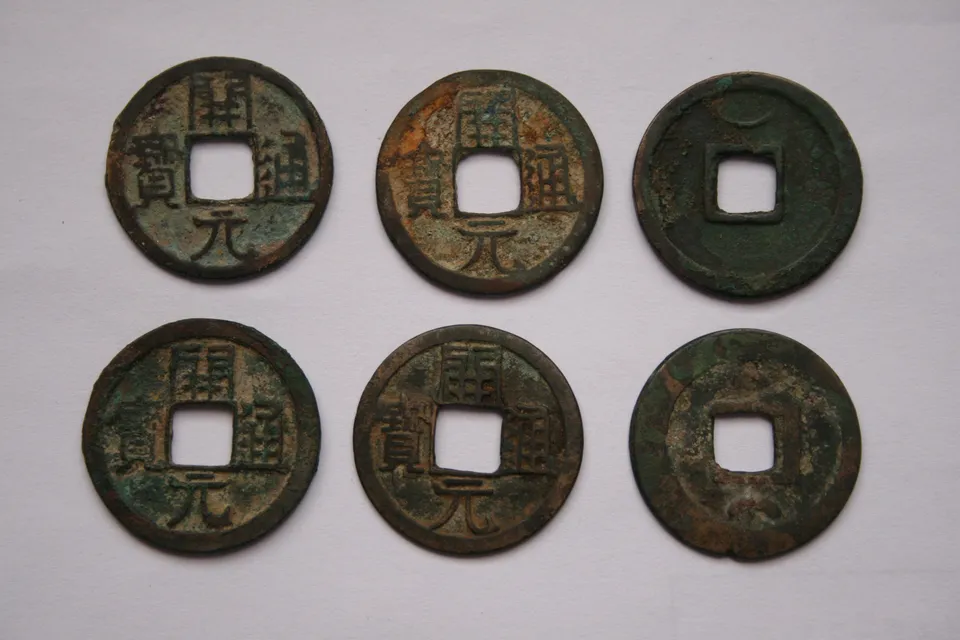
After the An Lushan Rebellion household registers were in disarray and the equal-field system had collapsed, so the zu-yong-diao, charged equally on every adult man, could no longer be collected. The two-tax system introduced on Yang Yan’s advice in 780 registered households where they actually lived and taxed them twice a year, in summer and autumn, according to their property and land, with the sums reckoned in money.
By giving up the principle that the state allotted land, it effectively recognised private ownership and large estates, marking the end of the early Tang codified system. The state’s finances recovered, but ever more peasants lost their land and became tenants on the estates. It remained the basis of Chinese taxation until the Single Whip reform of the Ming in the 16th century.