Politicsc. 756
Balhae Moves its Capital to Sanggyeong
King Mun moved the capital from the Central Capital to Sanggyeong Yongcheon-bu, a grid city modelled on Tang Chang’an.
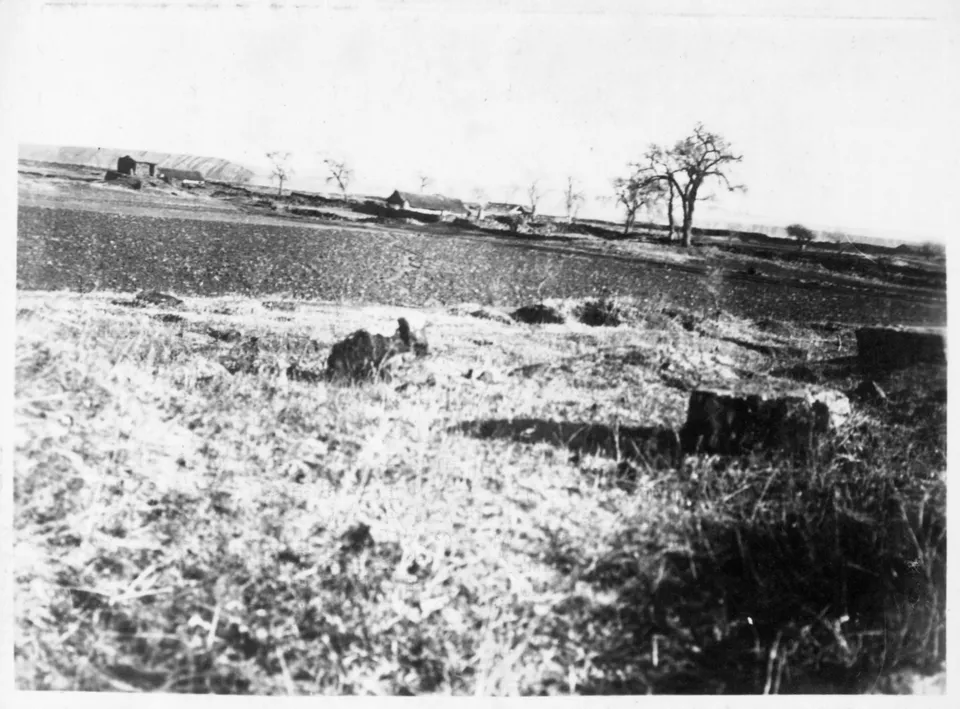
Black Dragon Society · Public domain · Source
Balhae’s capital moved from Mount Dongmo to the Central Capital, the Upper Capital (Sanggyeong) and the Eastern Capital before returning to Sanggyeong under King Seong in 794, where it stayed until the end. The move to Sanggyeong is dated to about 756, though sources differ slightly.
Sanggyeong had palace and administrative enclosures inside an outer wall and a broad north–south avenue, after Chang’an. The palace remains include ondol underfloor heating, and the great basalt stone lantern and lotus-pattern roof tiles carry on Goguryeo styles.