Thakin Movement in Burma
Also called: Dobama Asiayone, We Burmans Association
Young Burmese founded the We Burmans Association (the Thakins) to resist Britain, calling themselves "masters" (thakin) to assert that the Burmese were the masters of their own country.
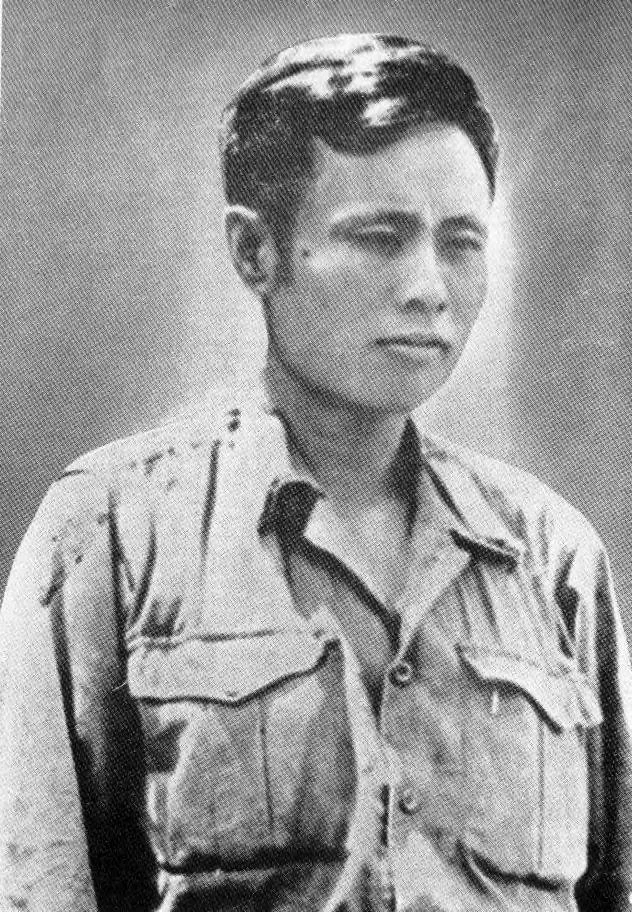
Unknown author · Public domain · Source
In Burma, then governed as a province of British India, the We Burmans Association (Dobama Asiayone) was founded in 1930. Its members put "Thakin" (master), the term used in addressing the British, before their names. The 1936 Rangoon University student strike produced young leaders such as Aung San and U Nu, and in 1937 Burma was separated from India as a distinct British colony. Aung San allied with Japan and then rose against it in 1945; in 1947 he reached agreement with Britain on independence but was assassinated that July. Burma became independent on 4 January 1948.