Tanzimat Reforms
Also called: Edict of Gülhane, Tanzimat
With the Edict of Gülhane the Ottoman Empire began Western-style modernizing reforms, guaranteeing the life and property of all subjects regardless of religion and promising equality before the law.
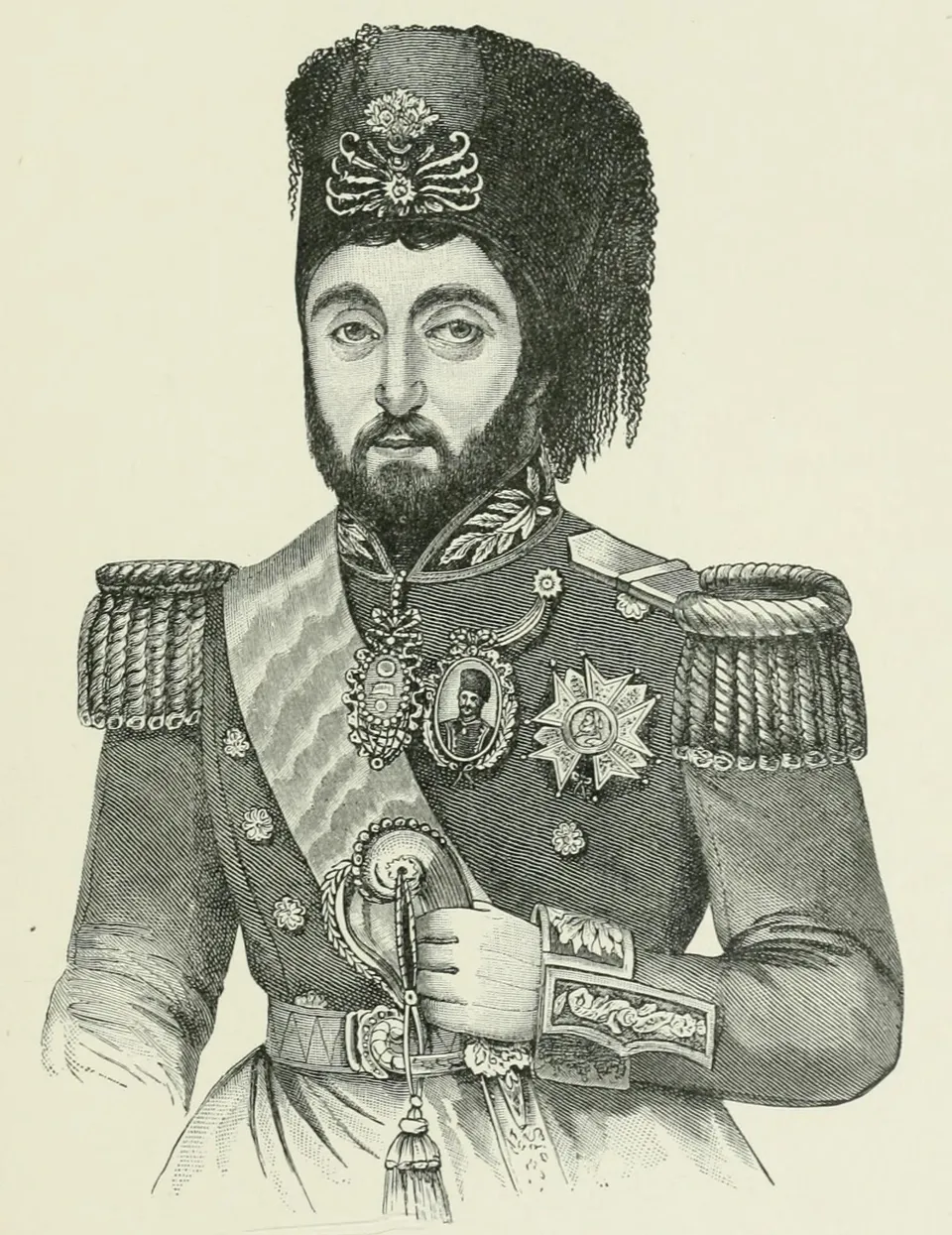
John Henry Wright · Public domain · Source
In the early nineteenth century the Ottoman Empire was shaken by Greek independence and the challenge of Muhammad Ali of Egypt. On 3 November 1839 the new sultan Abdülmecid I had his foreign minister Mustafa Reşid Pasha read out an edict in the Gülhane garden of Topkapı Palace. It promised to protect the life, honour and property of all subjects, to levy taxes fairly, to reform conscription and to treat Muslims and non-Muslims equally before the law. The reforms that followed until 1876 are called the Tanzimat ("reorganization").
After the Crimean War the Reform Edict of 1856 widened equality, and Western-style law codes, schools, armies and administration were introduced. But reform was imposed hastily from above and financed with foreign loans, and in 1875 the treasury went bankrupt. Conservatives resisted, and the Balkan peoples pressed for independence. The Young Ottomans raised in the reform era demanded constitutional government, which led to the Midhat constitution of 1876.