Politics648

Silla–Tang Alliance

Kim Chun-chu travelled to Tang and concluded a military alliance with Emperor Taizong: once Baekje and Goguryeo fell, Silla would have the land south of Pyongyang.
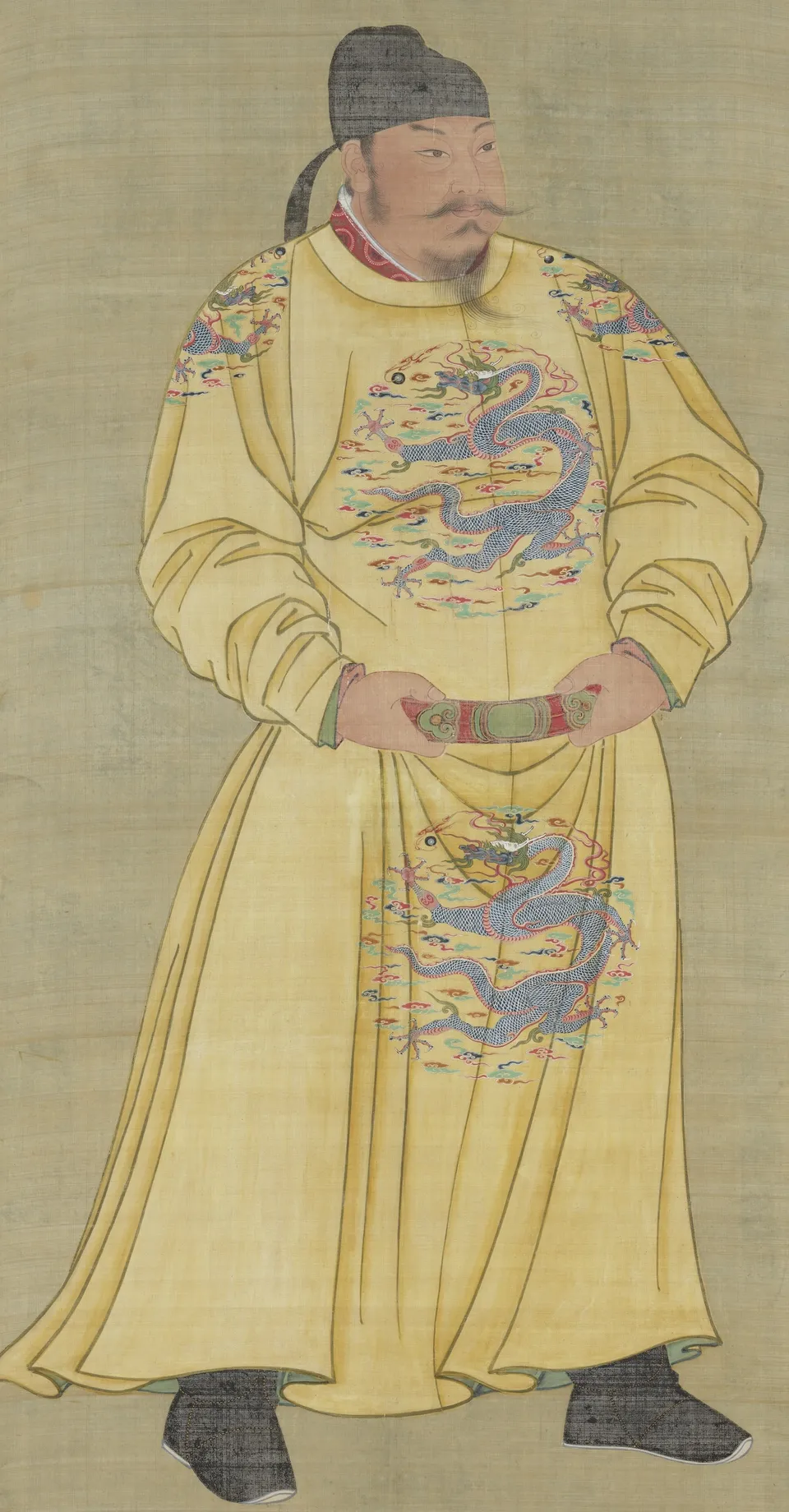
Emperor Taizong of Tang, who formed a military alliance with Kim Chunchu in 648

Unknown author · CC0 · Source

Having lost Daeya in 642 and failed to win over Goguryeo, Kim Chun-chu went to Tang in 648 with his son Munwang. Emperor Taizong received him generously, and Kim attended rites and lectures at the Imperial Academy. When he described Baekje’s attacks and asked for troops, Taizong agreed.

The promise that Silla would have the land south of Pyongyang and Baekje’s territory is known from King Munmu’s letter of 671 to the Tang general Xue Rengui. Silla adopted Tang court dress in 649 and the Tang era name Yonghui in 650, and Queen Jindeok sent the emperor her own "Ode to Great Peace". Munwang stayed on at the Tang court as an attendant (suwi).

The alliance brought down Baekje in 660 and Goguryeo in 668. But Tang broke its word and sought the whole peninsula, and the Silla–Tang War began in 670.

The map in AD 648

OpenFreeMap © OpenMapTiles © OpenStreetMap contributors

States and rulers at the time
Silla · signatory — Queen Jindeok
Tang · signatory — Emperor Taizong

People

  • King Muyeol (Kim Chun-chu)AD 603 – AD 661

    diplomat · Twenty-ninth king of Silla, who forged the Tang alliance, became the first jingol king and conquered Baekje

  • Emperor Taizong of TangAD 598 – AD 649

    monarch · Second Tang emperor whose 645 invasion of Goguryeo stalled at Ansi Fortress

  • Queen JindeokAD 654

    monarch · Twenty-eighth ruler and last "hallowed-bone" monarch of Silla, enthroned during Bidam’s revolt, under whom the Silla–Tang alliance was made and the Jipsabu set up

Before and after

Earlier
AD 647 Bidam’s Rebellion

Themes that include this event

  • Wars of Korean UnificationAD 598 – AD 676

    From Goguryeo's wars with Sui and Tang to Silla's unification — eighty years of East Asian war on the peninsula

  • Sui, Tang and the East Asian WorldAD 317 – AD 979

    From the divided Southern and Northern Dynasties and the Gupta age through the Sui and Tang empires to the founding of the Song — the age when an East Asian world sharing law codes, Buddhism, Confucianism and Chinese characters took shape, and Korea and Japan built their states on its model