The Reforms of Shang Yang
Also called: Shang Yang’s reforms
Employed by Duke Xiao of Qin, Shang Yang introduced Legalist reforms — ranks for military merit, counties and collective responsibility — that laid the foundations of Qin’s wealth and power.
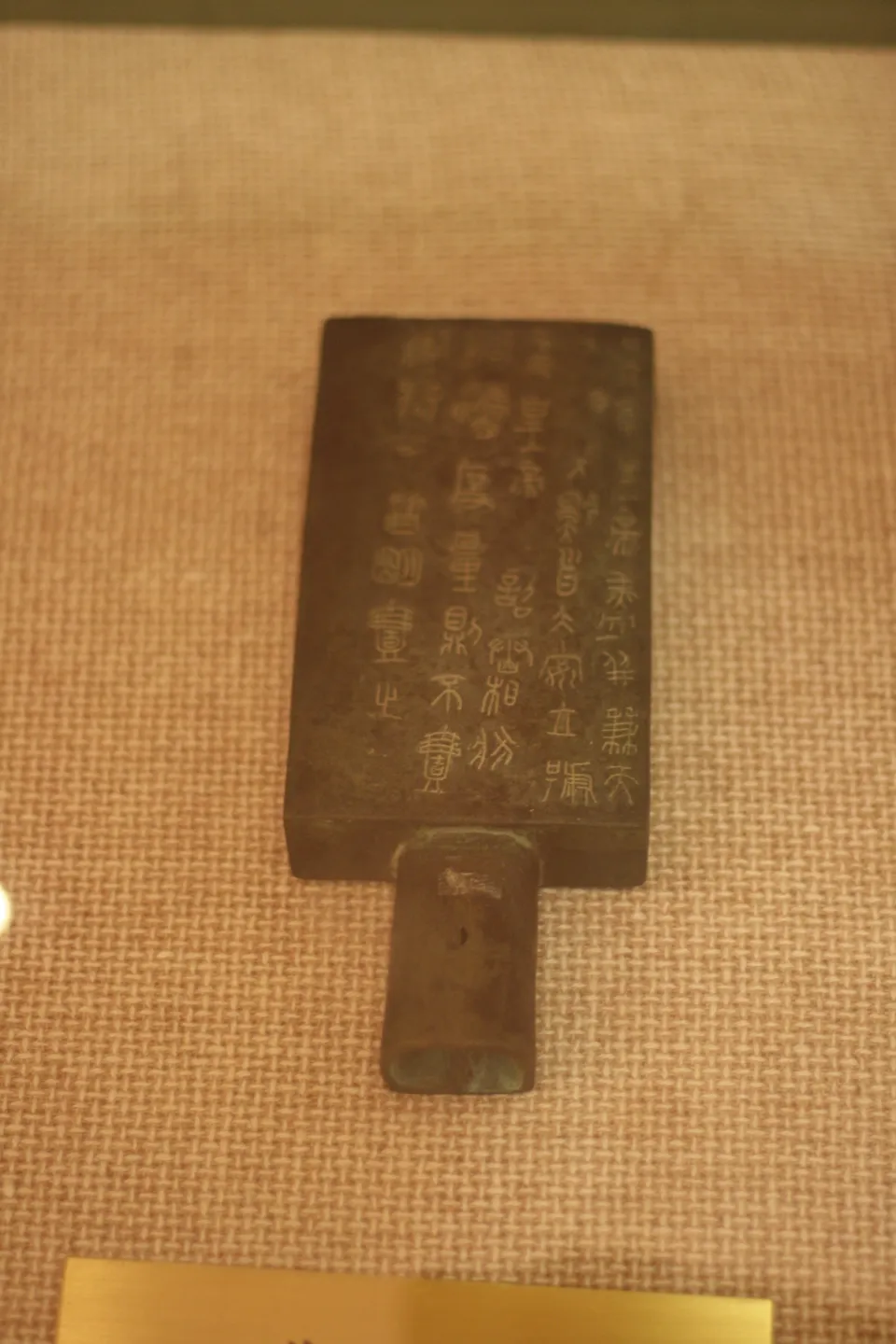
Qin, on the western frontier, lagged behind the other states in the early Warring States period. Duke Xiao sought able men, and Shang Yang (Gongsun Yang), from the state of Wey, carried out two rounds of reform in 356 and 350 BCE. Households were grouped in fives and tens to watch over one another and share punishment, and ranks were awarded for merit in war rather than by birth. Farming and weaving were encouraged and trade discouraged, and households with two or more grown sons that did not divide paid double tax, multiplying small families.
In 350 BCE the capital moved to Xianyang, villages were combined into counties run by officials sent by the ruler, and weights and measures were standardised. To make people trust the law, it is said, he offered a large reward to anyone who would move a pole from the south gate of the capital to the north gate. After Duke Xiao died, Shang Yang was hunted down by hostile nobles and torn apart by chariots in 338 BCE, but his laws remained and became the strength with which Qin unified the six states.