Ottoman Conquest of Egypt
Also called: Ottoman–Mamluk War, Battle of Marj Dabiq
Selim I’s Ottoman army defeated the Mamluks in Syria and Egypt and destroyed the Mamluk sultanate. The Ottoman Empire became the leading power of the Islamic world and protector of Mecca and Medina.
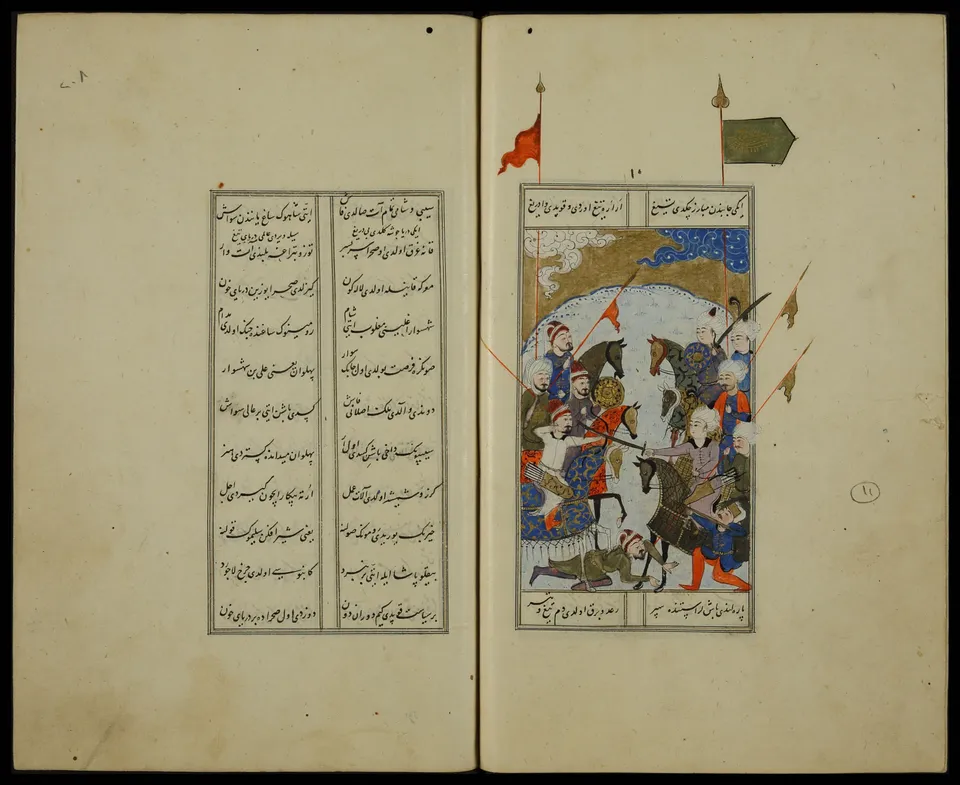
1524 · Public domain · Source
Having beaten the Safavids at Chaldiran, Selim I turned south against the Mamluks. In August 1516 at Marj Dabiq north of Aleppo, the Ottomans with their cannon and muskets routed the Mamluk cavalry, and Sultan al-Ghawri was killed. In January the next year they won again at Ridaniya near Cairo, entered the city and executed the last sultan, Tumanbay.
The ruler of Mecca also submitted, and Selim styled himself “Servant of the Two Holy Sanctuaries”. The Abbasid caliph in Cairo was taken to Istanbul; the story that the caliphate then passed to the Ottoman sultan was put forward by the Ottomans later. With Egypt, Syria and the Hejaz, the Ottomans controlled the eastern Mediterranean and the Red Sea, and reached their height under Selim’s son Suleiman I.