Coronation of Otto I and the Holy Roman Empire
Also called: Founding of the Holy Roman Empire
Otto I, king of East Francia (Germany), who had defeated the Magyars, was crowned emperor by the pope in Rome in 962, beginning the Holy Roman Empire.
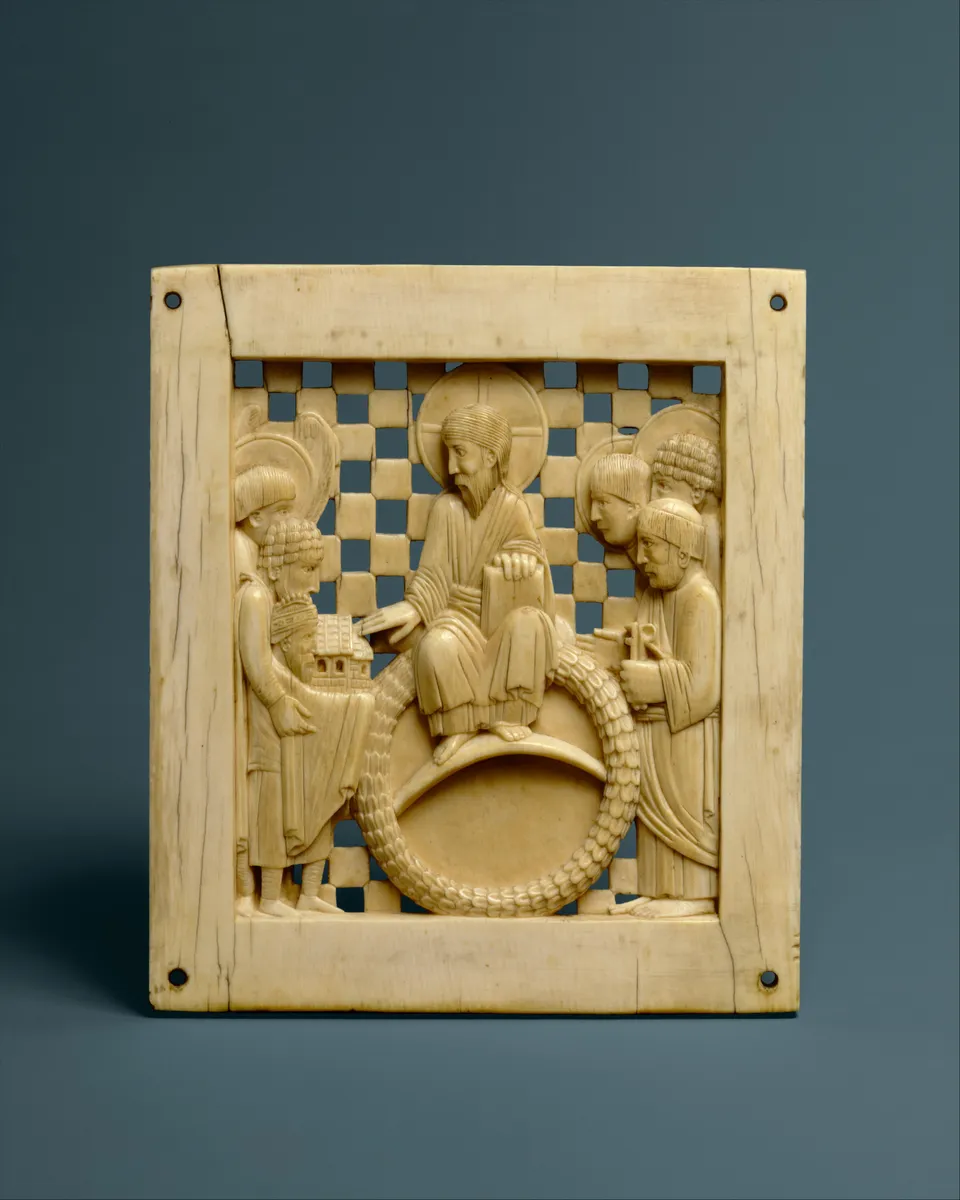
In East Francia the dukes of Saxony took the throne after the Carolingian line died out. Otto I, king from 936, subdued rebellious princes and in 955 crushed the Magyars, who had long ravaged Europe, at the Battle of the Lechfeld, emerging as the defender of the West. He granted lands and powers to bishops and abbots as a counterweight to the princes (the imperial church system).
At the pope’s request Otto went down into Italy and on 2 February 962 was crowned emperor in Rome by Pope John XII. So began the Holy Roman Empire, claiming to continue Charlemagne’s empire, which lasted until 1806.
But as German emperors became absorbed in ruling Italy and dealing with the papacy, the princes within Germany grew stronger, and conflict over the appointment of clergy escalated into the Investiture Controversy. At the same time in Goryeo, King Gwangjong was strengthening royal power with the Slave Review Act (956) and the civil service examination (958).