New Economic Policy (NEP)
Also called: NEP
With the economy shattered by civil war and peasants in revolt, Lenin ended grain requisitioning and allowed small-scale private trade and enterprise. The economy gradually recovered to pre-war levels.
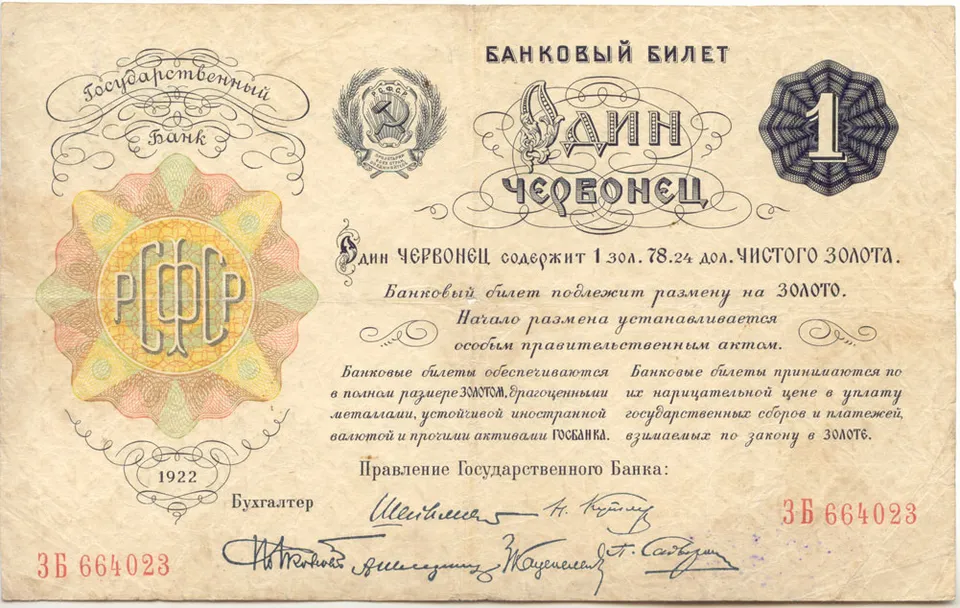
Boleslav1 · Public domain · Source
When the Kronstadt sailors rebelled in March 1921 under the slogan “Soviets without Communists”, Lenin changed course at the Tenth Party Congress that same month. Forced requisitioning gave way to a fixed tax in kind, after which peasants could sell their surplus grain on the market, and small factories and shops were allowed to operate privately.
The state kept the “commanding heights” — banks, large industry and foreign trade. Under the policy farm and factory output approached pre-war levels by the mid-1920s, and traders known as “Nepmen” prospered. The same congress, however, banned factions within the party, tightening Communist dictatorship. The NEP ended in 1928 when Stalin launched the Five-Year Plans.