Establishment of the Kamakura Shogunate
Also called: Genpei War, Bakufu, Jōkyū War
Minamoto no Yoritomo destroyed the Taira in the Genpei War, won the right to appoint shugo and jitō in 1185 and became seii taishōgun in 1192. It was the start of warrior government (the bakufu), bound by land and loyalty between shogun and vassals, that would rule Japan for nearly 700 years.
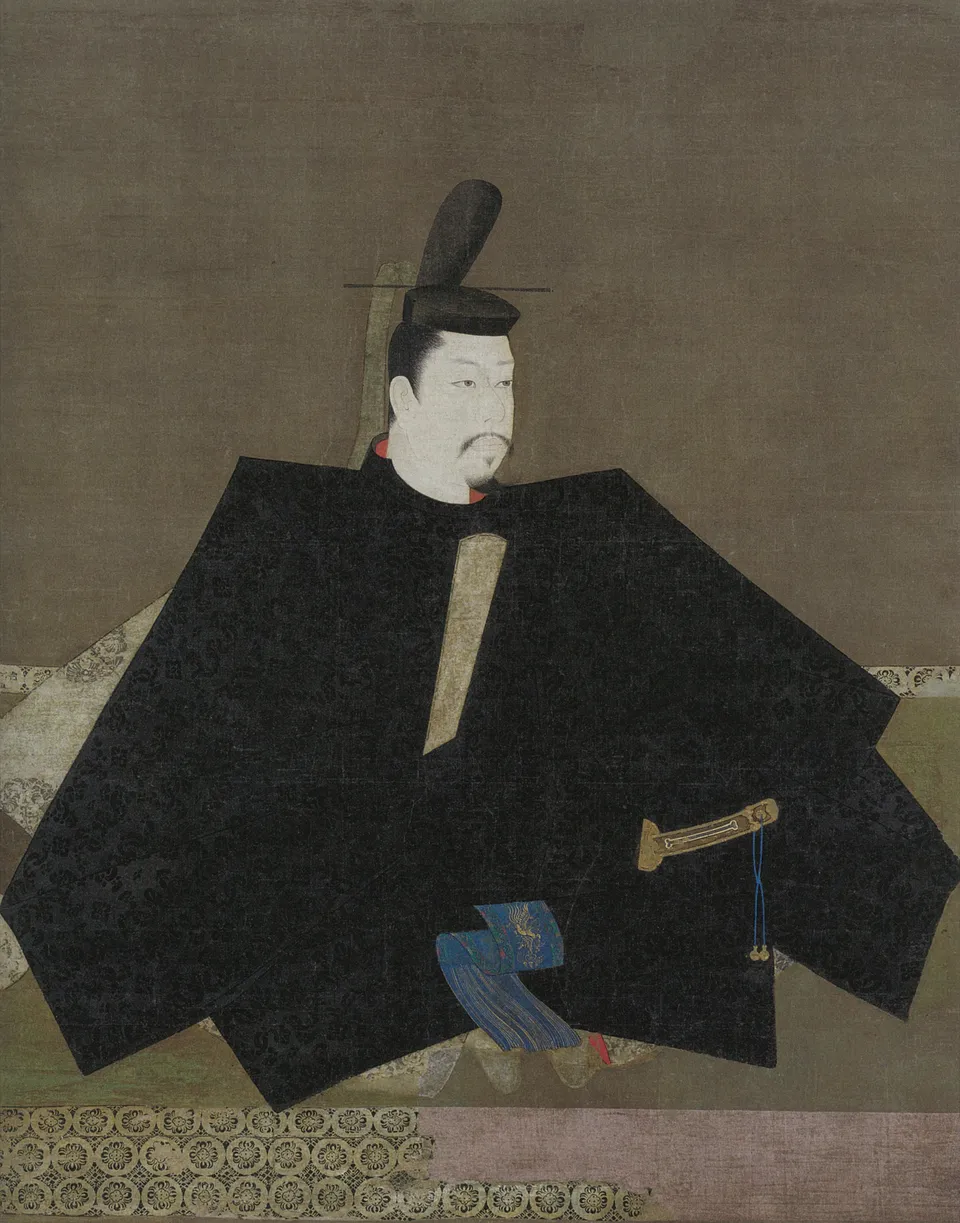
Unknown author · Public domain · Source
Late in the Heian period provincial warrior bands grew strong, and two warrior houses, the Taira (Heishi) and the Minamoto (Genji), entered court politics. When Taira no Kiyomori seized power, Minamoto no Yoritomo raised troops in Izu in 1180 (the Genpei War), and the Taira were destroyed at the sea battle of Dan-no-ura in 1185.
Based at Kamakura, Yoritomo won the right in 1185 to appoint shugo (military governors) and jitō (estate stewards and tax collectors) in every province, and in 1192 became seii taishōgun. The shogun guaranteed his vassals’ (gokenin) lands — “favour” — and they served him in war — “service”. The emperor and court remained in Kyoto, but real power passed to the shogunate. After Yoritomo’s death his in-laws the Hōjō ruled as regents (shikken), and their victory over the retired emperor’s forces in the Jōkyū War of 1221 put the shogunate above the court; in 1232 they issued the Goseibai Shikimoku, a warrior law code. In religion, the new Kamakura Buddhism — Pure Land, True Pure Land, Nichiren and Zen — spread among warriors and commoners.
In Goryeo, too, the military coup of 1170 was followed by the Choe military regime, so both countries were ruled by warriors at the same time. The shogunate repelled the Mongol–Goryeo invasions of 1274 and 1281, but with no land to reward its vassals it was shaken, and it fell in 1333.