Goryeo Unifies the Later Three Kingdoms
Silla's King Gyeongsun submitted to Goryeo, and the following year Goryeo destroyed Later Baekje, reunifying the peninsula.
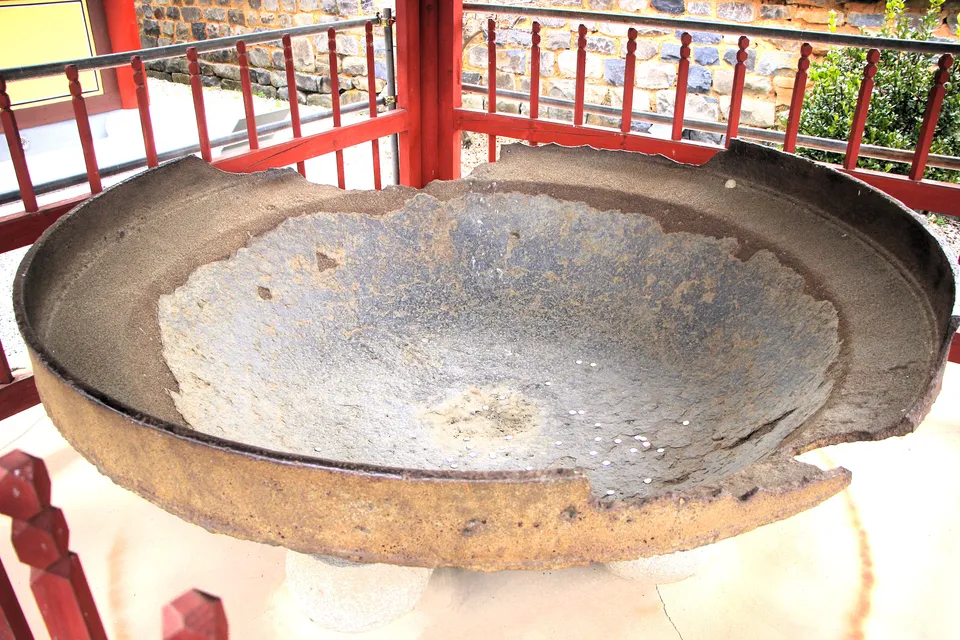
Trainholic · CC BY-SA 4.0 · Source
As local magnates rose in late Silla, Gyeon Hwon founded Later Baekje at Wansan in 900 and Gung Ye founded Later Goguryeo at Songak in 901, opening the Later Three Kingdoms period. Wang Geon, who overthrew Gung Ye, founded Goryeo in 918 and moved the capital to Songak the next year. He treated Silla as a friend and won over the regional magnates through marriage ties and grants of the royal surname.
Against Later Baekje, Goryeo suffered a heavy defeat at Gongsan in 927 but took the initiative at Gochang in 930 and won again at Unju (Hongseong) in 934, the year the Balhae crown prince Dae Gwang-hyeon arrived with his followers. In 935 strife in Later Baekje drove Gyeon Hwon to defect to Goryeo, and in the eleventh month King Gyeongsun of Silla surrendered his kingdom. In the ninth month of 936 Goryeo crushed Singeom’s army at Illicheon and completed the unification.
Goryeo unified the peninsula without foreign help and, having taken in the Balhae refugees, is regarded as having reunited the nation. Wang Geon went on to manage the magnates through the sasimgwan and gin systems and left the Ten Injunctions to his heirs.