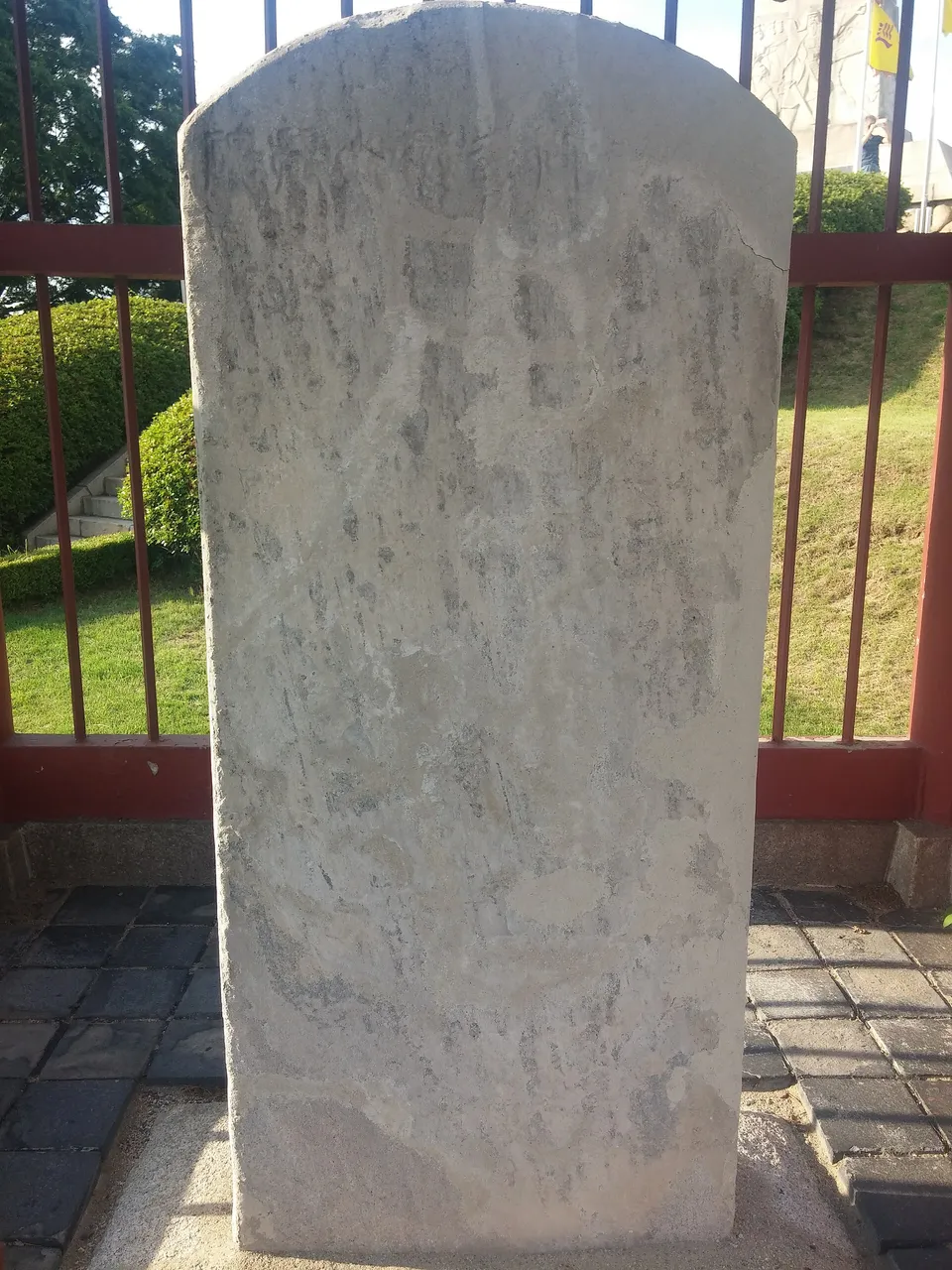
The old Haengju victory stele, erected in 1602 to commemorate Gwon Yul’s victory at Haengju

IRTC1015 · Public domain · Source

Person1537 – 1599

Gwon Yul

Joseon general who routed the Japanese at Haengju and became commander-in-chief

In the Imjin War, as magistrate of Gwangju he gathered volunteers and blocked the Japanese advance into Jeolla at the Battle of Ichi. In February 1593 at Haengju Fortress, where even women are said to have carried stones, he won a great victory over the Japanese (the Battle of Haengju). For this he became commander-in-chief and led Joseon's land forces to the end of the war.

Where they went

OpenFreeMap © OpenMapTiles © OpenStreetMap contributors

3 related events

  1. 1

    The Japanese drive on Jeonju was stopped at the passes of Ungchi and Ichi. Holding Jeolla, the granary of the south, gave Joseon the means to fight on.

  2. 2
    1593Battle of Haengjucommander

    Gwon Yul repelled an assault by more than 30,000 Japanese troops on Haengju Fortress, with townspeople carrying stones to the defenders.

  3. 3
    1597 – 1598Siege of Ulsancommander

    Over 50,000 Joseon and Ming troops besieged the castle Kato Kiyomasa was building at Ulsan. The garrison ran out of food and water, but the allies withdrew when a Japanese relief force arrived.

People who appear alongside

  • Hwang Jin1550 – 1593

    Joseon commander who fought at Ichi with Gwon Yul and was killed defending Jinju in 1593

  • Yang Hao1629

    Ming commissioner who led the Ming army in the Jeongyu War and besieged Ulsan castle

  • Kato Kiyomasa1562 – 1611

    Commander of the second Japanese division; captured two Korean princes in Hamgyeong and held Ulsan castle in 1597–98

Themes this person appears in

  • Imjin War1592 – 1598

    From the Japanese invasion to the Battle of Noryang — the righteous armies, Yi Sun-sin at sea, and Ming intervention