Wang Mang’s Xin Dynasty
Also called: Xin dynasty, Red Eyebrows
Wang Mang, a consort-family statesman, usurped the Western Han throne, founded the Xin dynasty and pursued archaising reforms such as nationalising land, but it collapsed amid turmoil and peasant revolts after fifteen years.
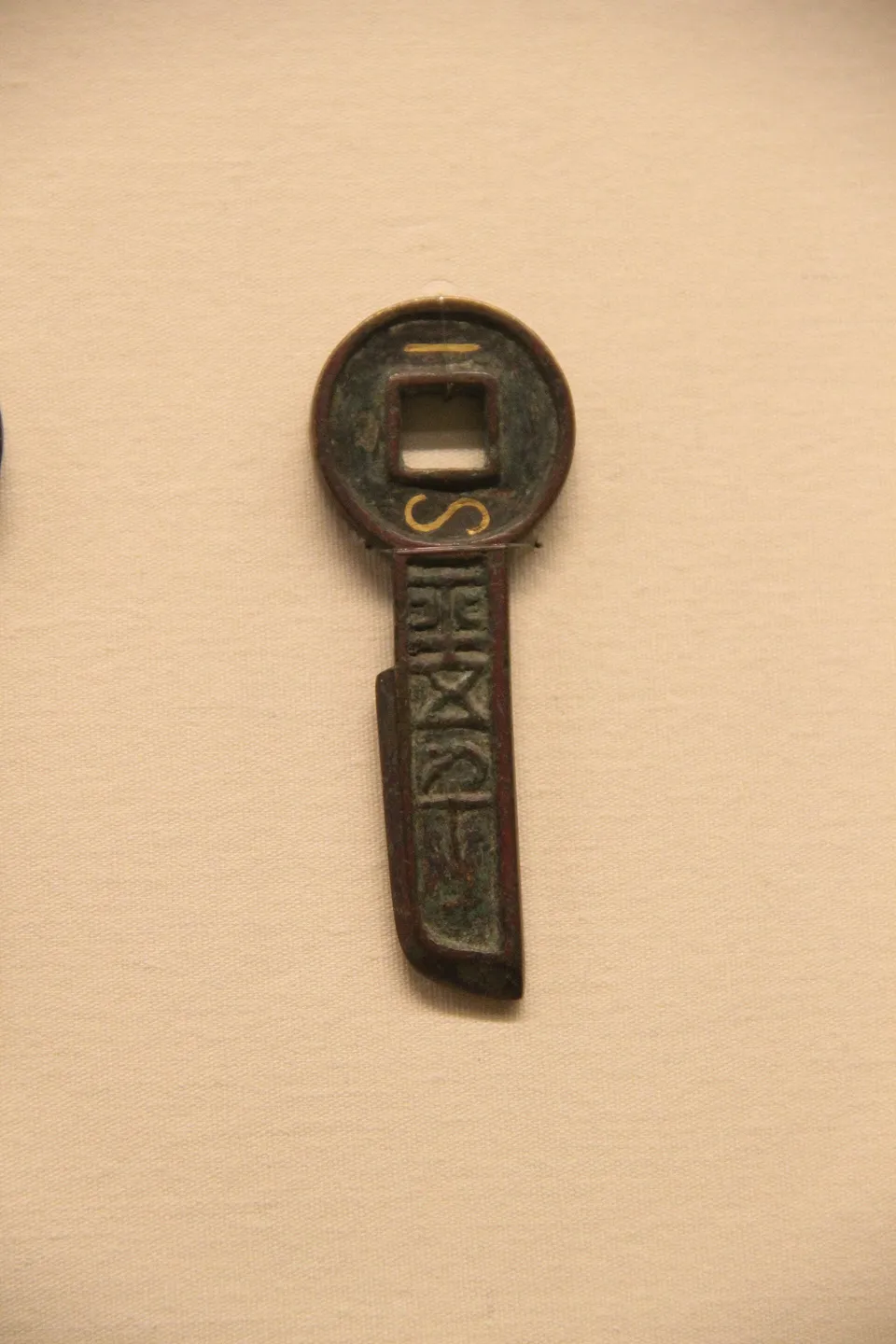
In the late Western Han, consort families and eunuchs fought for power while magnates enlarged their estates and peasants were ruined. Wang Mang, of the empress’s family, ruled through boy emperors and at the end of the year 8 (early 9 in the Western calendar) took the throne himself, founding the Xin dynasty. Modelling his reforms on the Rites of Zhou, he declared land the king’s (wangtian) and banned its sale, prohibited the sale of slaves, put trade and crafts under state control and changed the currency several times.
Reforms ill-suited to reality angered magnates and commoners alike, and floods of the Yellow River brought famine. Peasant armies such as the Lülin and the Red Eyebrows rose; Chang’an fell in 23 and Wang Mang was killed. Huoquan coins of this time have been found in southern Korea, at Jeju and Gimhae, evidence of the trade of the day.