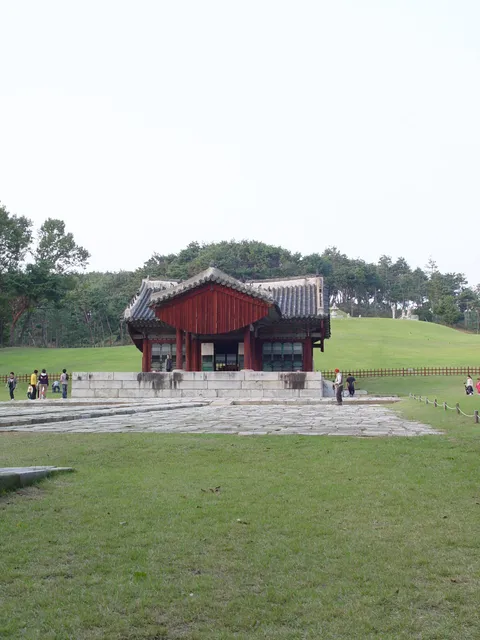
Sinhae Persecution (Jinsan Incident)
Yun Ji-chung, a Catholic of yangban birth in Jinsan, was executed for burning his mother’s ancestral tablet and refusing the rites — the first major crackdown on Catholicism.
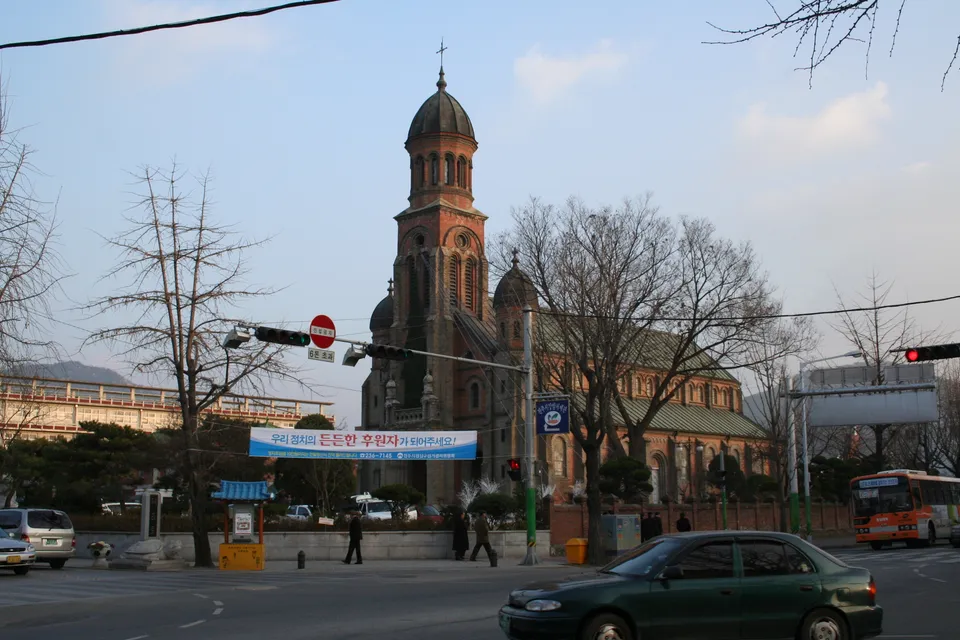
Bcody80 (English Wikipedia) · Public domain · Source
Western Learning reached Korea in the seventeenth century as scholarship brought back by envoys to Beijing; Yi Su-gwang’s Jibong yuseol introduced Matteo Ricci’s True Meaning of the Lord of Heaven. In the late eighteenth century Southerner scholars took it up as faith, and in 1784 Yi Seung-hun returned baptized from Beijing and founded a community. Its ideas of equality and the afterlife spread to the middle class, women and commoners.
Refusing ancestral rites was seen as rejecting the Confucian order. Jeongjo executed Yun Ji-chung and Gwon Sang-yeon but stopped short of a general persecution, banning the import of Western books instead. After his death the 1801 persecution began in earnest.