Sima Qian’s Records of the Grand Historian
Also called: Shiji, Records of the Historian
Sima Qian completed the Records of the Grand Historian (Shiji), a history from the legendary Yellow Emperor to Emperor Wu of Han organised around imperial annals and biographies.
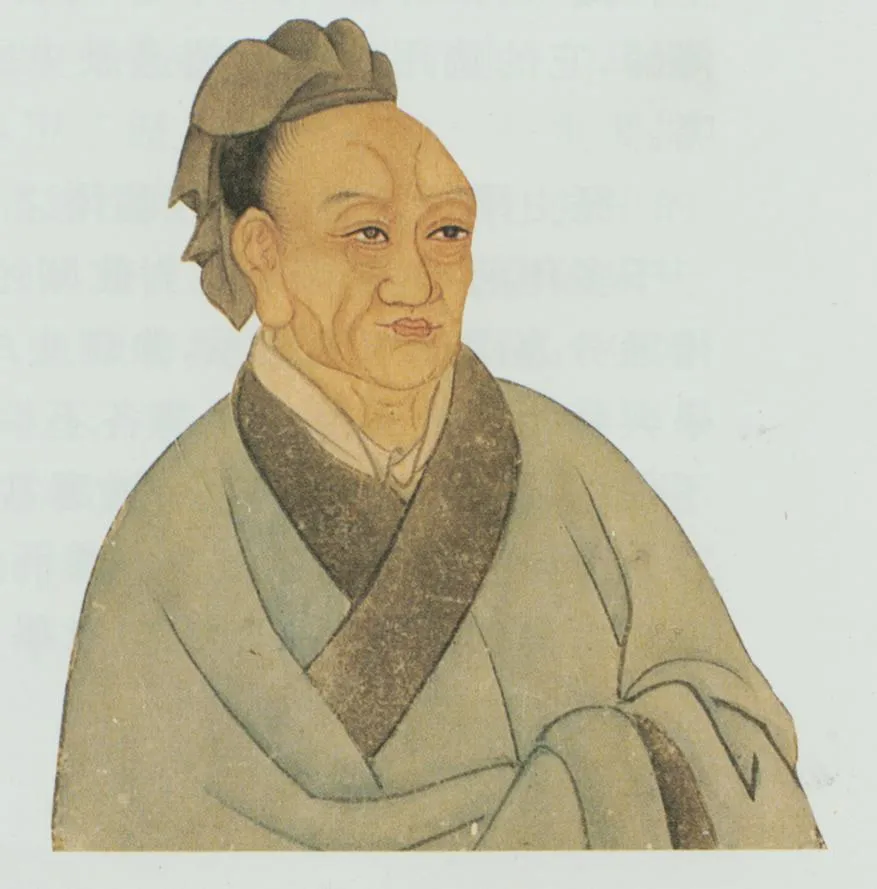
Public domain · Source
Sima Qian took up the history begun by his father Sima Tan, the Grand Historian. In 99 BCE he defended General Li Ling, who had surrendered to the Xiongnu, and Emperor Wu punished him with castration, but he bore the disgrace and finished the work around 91 BCE. Its 130 chapters cover the time from the legendary Yellow Emperor to Emperor Wu, divided into basic annals of rulers, hereditary houses of lords, biographies, chronological tables and treatises on institutions and culture.
Because the annals and biographies form its core, this is called the annals-and-biographies (jizhuan) form, and from Ban Gu’s History of the Former Han onward every official dynastic history of China followed it. The Samguk sagi compiled by Kim Bu-sik of Goryeo (1145) is also written in this form. The Shiji’s "Account of Joseon" is the oldest record of Wiman’s rise and the fall of Gojoseon.