The Mokho Rebellion and Choe Yeong’s Campaign to Tamna
Also called: Mokho Rebellion
The Mongol herders (mokho) of the Yuan horse ranches on Jeju refused to hand over horses meant for Ming and rebelled; King Gongmin sent Choe Yeong to crush them.
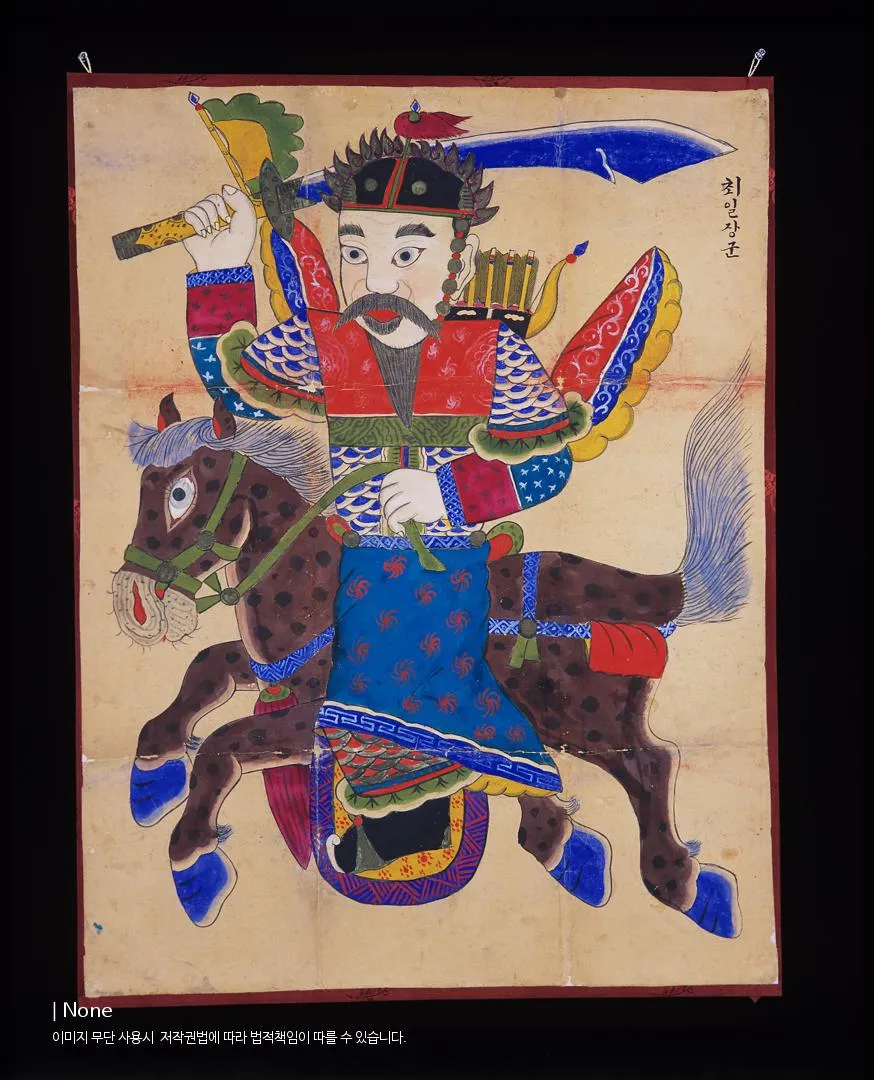
Copyright © National Folk Museum of Korea, All Rights Reserved. · CC BY-SA 4.0 · Source
After suppressing the Sambyeolcho, the Yuan set up the Tamna Commandery on Jeju (1273) and opened ranches to raise horses. The Mongol herders who ran them were called mokho. Jeju later returned to Goryeo, but the herders’ power remained.
When King Gongmin, pursuing his anti-Yuan reforms, drew close to Ming, Ming demanded 2,000 horses from Jeju. Saying they could not give the Yuan emperor’s horses to his enemy, the herders sent only 300 and then rose in revolt. In 1374 Gongmin named Choe Yeong commander and sent more than 300 warships and some 25,000 soldiers. Choe landed at Myeongwolpo, defeated the herders and finally subdued the last of them on Beomseom islet, ending Yuan power on Jeju. While Choe was on Jeju, Gongmin was assassinated in Gaegyeong.