1980 Lake Placid Winter Olympics
Also called: XIII Olympic Winter Games, 1980 Winter Olympics, Miracle on Ice
Lake Placid’s second Winter Olympics, remembered for the “Miracle on Ice”, in which a US ice-hockey team of mostly college players beat the mighty Soviet Union at the height of the Cold War.
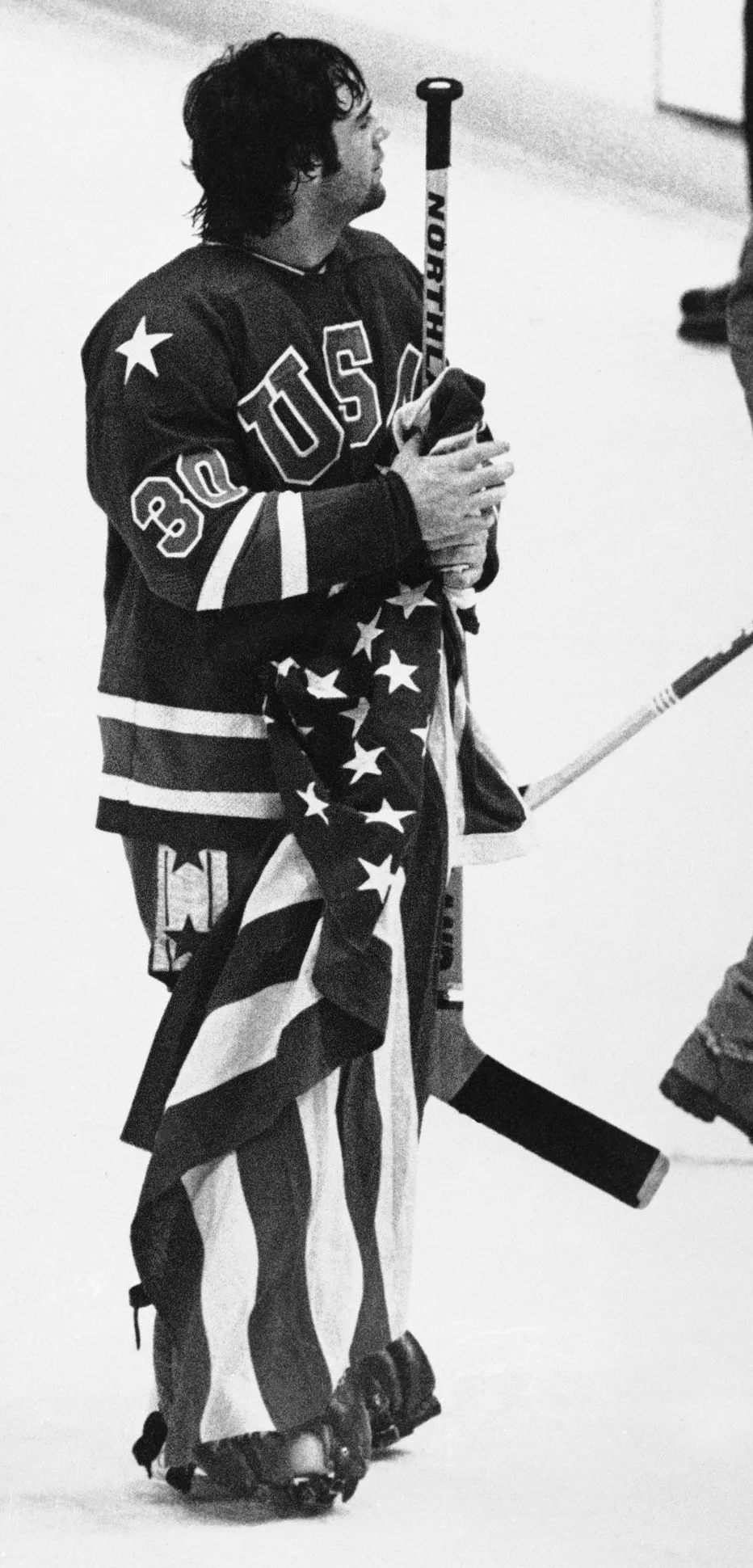
David Tenenbaum, Associated Press · Public domain · Source
Thirty-seven nations took part from 13 to 24 February. Coming just after the Soviet invasion of Afghanistan in December 1979, the Games took place amid high Cold War tension, and even during them the United States was pressing for a boycott of the Moscow Summer Olympics a few months later. The People’s Republic of China competed at the Winter Games for the first time, while Taiwan (the Republic of China) stayed away in protest over the name it was to use.
On 22 February, in the medal round of the ice-hockey tournament, a US team of mostly college players beat the Soviet Union, chasing a fifth straight title, 4–3. After this “Miracle on Ice” the Americans beat Finland two days later to take the gold. America’s Eric Heiden won all five men’s speed-skating events, from 500 m to 10,000 m, the first athlete to win five individual golds at one Games.