Culture4–13 February 1932

1932 Lake Placid Winter Olympics

Also called: III Olympic Winter Games, 1932 Winter Olympics

The small town of Lake Placid in New York State hosted the first Winter Olympics outside Europe; with the Depression and the long sea voyage, only 17 nations came.
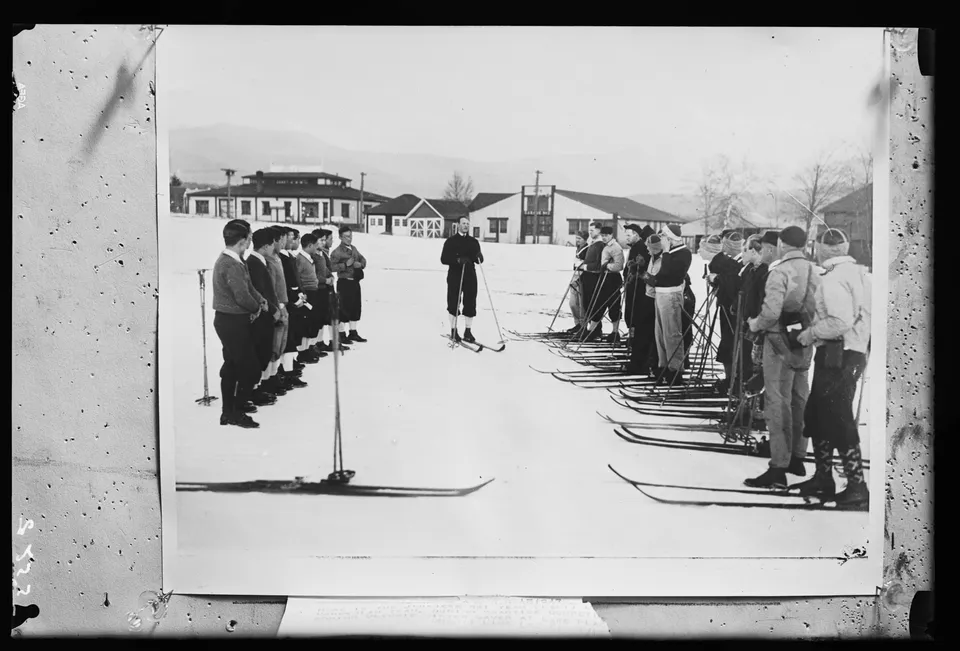
Japanese and Norwegian ski teams at the Lake Placid Games, 1932

Henriksen & Steen · Public domain · Source

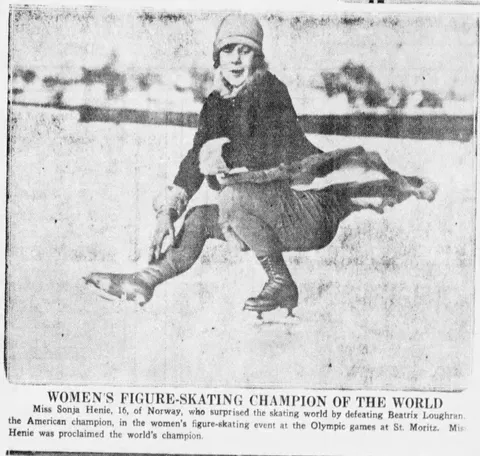
The Games ran from 4 to 13 February. The Great Depression and the long Atlantic crossing kept attendance to some 250 athletes from 17 nations, many of them American or Canadian. Speed skating was run North American style, with mass starts, to the protests of European skaters. Eddie Eagan of the United States, Olympic boxing champion in 1920, won gold in the bobsleigh, becoming a gold medallist at both the Summer and Winter Games. Sonja Henie retained her figure-skating title.
The map in 1932

OpenFreeMap © OpenMapTiles © OpenStreetMap contributors

States and rulers at the time
United States · host — President Herbert Hoover

People

  • Sonja Henie1912 – 1969

    participant · Norwegian figure skater who won three successive Olympic titles in women’s singles (1928, 1932, 1936) and then became a Hollywood film star in the United States

Before and after

Earlier
1929 Great Depression
Later
1932 Economic Blocs

Themes that include this event

  • Winter Olympics1924 – 2026

    From the “International Winter Sports Week” at Chamonix to PyeongChang and Milano Cortina — a century on snow and ice, with Korea’s first appearance and first gold