Politics24 July 1907

Japan–Korea Treaty of 1907 (Jeongmi Treaty)

Having removed Gojong, Japan forced a new treaty installing Japanese vice-ministers in every ministry ("government by vice-ministers"); a secret memorandum also disbanded the Korean army.
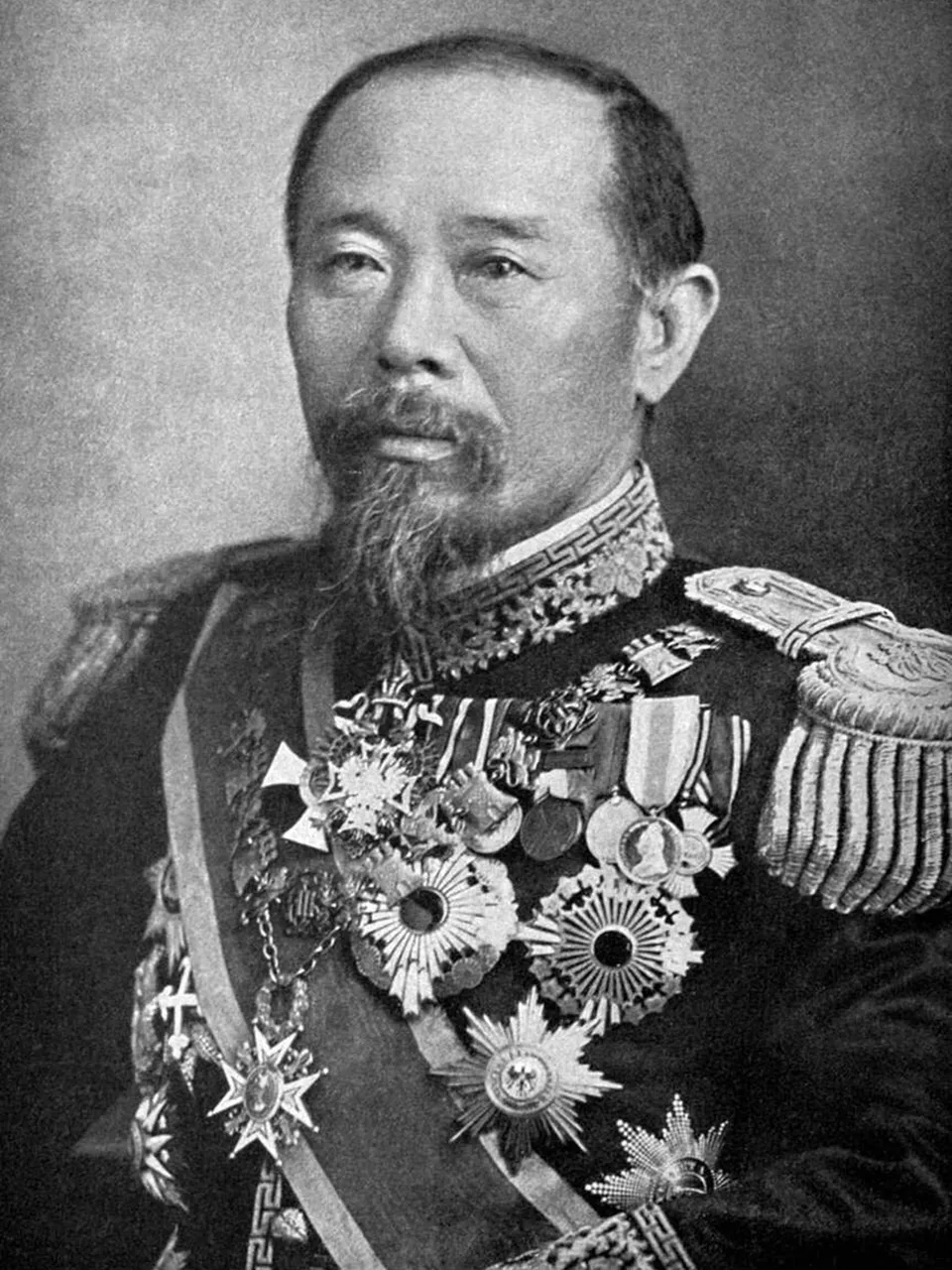
Resident-General Itō Hirobumi, who forced the Japan–Korea Treaty of 1907

Japanese photographer · Public domain · Source

The treaty required the Resident-General’s approval for legislation and senior appointments and the appointment of Japanese he recommended as officials. Under a secret annex Japanese took the vice-minister posts, the army was disbanded, and the way was opened to hand over the courts and police to Japan.

The Newspaper Law and Security Law of the same year suppressed the press, assembly and association. The Korean Empire survived in name only.

The map in 1907

OpenFreeMap © OpenMapTiles © OpenStreetMap contributors

States and rulers at the time
Korean Empire · signatory — Sunjong
Japan · led by — Emperor Meiji

People

  • Itō Hirobumi1841 – 1909

    diplomat · First prime minister of Japan who forced the 1905 protectorate treaty and became the first Resident-General; shot by Ahn Jung-geun at Harbin

  • Lee Wan-yong1858 – 1926

    diplomat · One of the Five Eulsa Traitors; as prime minister he signed the 1907 treaty, the 1909 memorandum and the annexation treaty

  • Sunjong1874 – 1926

    monarch · Second and last emperor of the Korean Empire (era Yunghui), enthroned after Gojong’s forced abdication

1 part of this event

  1. Japan forcibly disbanded the Korean army. When battalion commander Park Seung-hwan took his own life, the guards fought Japanese troops around Namdaemun, and disbanded soldiers joined the righteous armies.

Before and after